cardi leaked Join Telegram exposes dark side of celebrity culture
The term cardi leaked Join Telegram has become a digital battleground where privacy clashes with obsession, revealing how celebrity culture thrives on scandal. What began as whispers in private chats has exploded into a multi-million-member ecosystem on Telegram, where leaked videos, edited audios, and fabricated documents circulate at lightning speed. Behind the encrypted walls of these groups lies a complex web of fan fixation, exploitative monetization, and legal gray areas that blur the line between entertainment and exploitation.
From Cardi B’s high-profile relationships to her legal battles and music releases, every twist in her personal life has fueled a frenzy of speculation and content creation. Telegram’s end-to-end encryption and anonymous channels have turned it into the platform of choice for those seeking exclusive—or fabricated—insights into her world. Yet beneath the surface, this digital gold rush hides scams, malware-laced files, and ethical dilemmas that force users to question whether the thrill of accessing leaked content justifies the risks. The story of cardi leaked Join Telegram is not just about one celebrity; it’s a mirror reflecting society’s insatiable appetite for drama, even at the cost of privacy and legality.
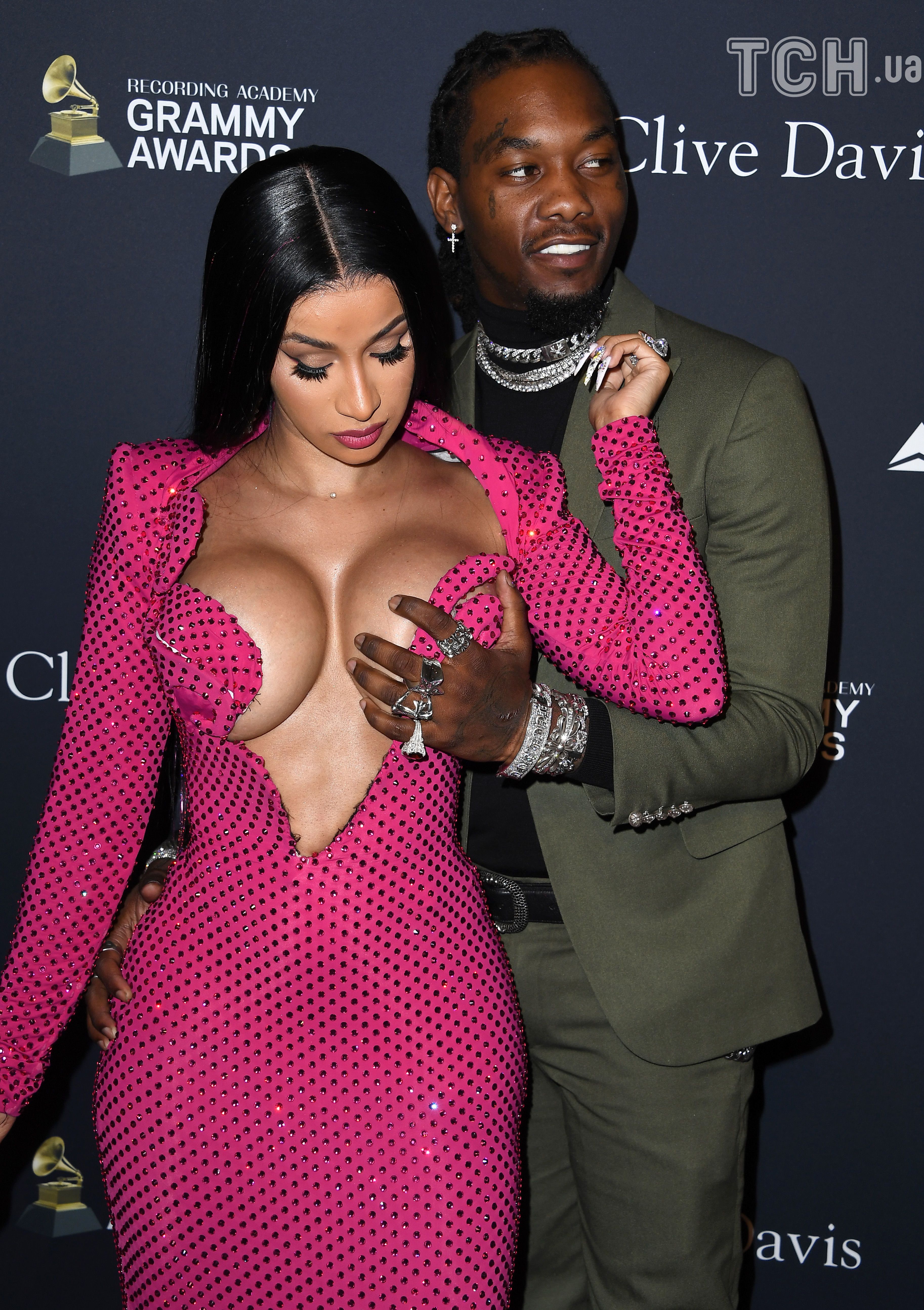
Understanding "Cardi Leaked" Telegram Groups: Origins and Context

The term "Cardi Leaked" emerged as a defining phenomenon in digital celebrity culture, closely tied to the proliferation of private content shared on encrypted messaging platforms like Telegram. Unlike traditional leaks that surfaced on public forums or social media, these groups thrived in closed, invite-only communities where anonymity and rapid dissemination amplified their reach. The evolution of "Cardi Leaked" reflects broader trends in how celebrity privacy intersects with digital piracy, fan obsession, and the monetization of scandal. This subtopic examines the origins of the term, key events that fueled its growth, and the structural dynamics of Telegram as a hub for leaked content, while analyzing the role of misinformation and fan behavior in shaping its narrative.
Origins of the Term "Cardi Leaked" and Its Evolution in Digital Spaces

The phrase "Cardi Leaked" first gained traction in late 2018, coinciding with the rise of Cardi B’s mainstream fame following her viral hit "Bodak Yellow" and her relationship with rapper Offset. While early leaks of celebrity content were not exclusive to Cardi B, her high-profile status—combined with her unfiltered social media presence and tumultuous personal life—made her a prime target for digital piracy. The term solidified in 2019–2020 as Telegram groups dedicated to her private content proliferated, often operating under cryptic names like "Cardi B Private Vault" or "Exclusive Cardi Leaks." These groups capitalized on the anonymity Telegram provides, allowing users to share and trade content without immediate moderation or legal repercussions.
A chronological breakdown reveals how specific events accelerated the term’s adoption: - 2018 (October): Cardi B’s relationship with Offset became public, sparking tabloid speculation and early leaks of private messages or audio clips. - 2019 (April): The release of her album "Invasion of Privacy" coincided with rumors of leaked studio sessions and unreleased tracks, though no verified leaks emerged. - 2020 (March–May): During the height of her feud with Nicki Minaj, fake audio leaks (e.g., edited diss tracks) circulated widely, blurring the line between speculation and reality. - 2021 (July): The highly publicized divorce from Offset led to a surge in leaked texts, voice notes, and alleged intimate videos, with Telegram groups becoming the primary distribution channel. - 2022–2023: Post-divorce, leaks expanded to include business disputes, legal documents, and personal conflicts, with groups often claiming insider access to her inner circle.
Telegram’s end-to-end encryption and lack of centralized moderation made it the ideal platform for these groups, allowing admins to control access while ensuring high engagement through exclusive drops and member-only discussions.
Table of Contents
- Understanding "Cardi Leaked" Telegram Groups: Origins and Context
- Origins of the Term "Cardi Leaked" and Its Evolution in Digital Spaces
- Major Events and Scandals Fueling the Spread of Leaked Content
- Comparative Analysis: Public Leaks vs. Controlled Releases by Cardi B
- How Telegram Facilitates the Spread of Leaked Content: Platform Mechanics
- Technical Features of Telegram Enabling Leaked Content Distribution
- Step-by-Step Guide to Joining or Creating a "Cardi Leaked" Telegram Group
- Comparison Table: Telegram vs. Other Platforms for Sharing Leaked Celebrity Content
- Business Models Behind Cardi Leaked Telegram Groups
- Legal and Ethical Implications of Joining "Cardi Leaked" Telegram Groups
- Legal Risks Associated with Accessing or Sharing Leaked Content
- Real-World Cases of Legal Consequences for Distributing Leaked Celebrity Content
- Ethical Dilemmas: Privacy Rights vs. Public Interest
- Telegram’s Policies on Leaked Content and Enforcement Mechanisms
- Psychological Impact of Consuming Leaked Celebrity Content
- The Dark Side: Scams, Malware, and Exploitative Practices in Cardi B Leaked Telegram Groups
- Common Scams Targeting Members of Cardi B Leaked Groups
- Malware and Spyware Distribution Through Leaked Files
- Red Flags Indicating Malicious Groups or Fake Moderators
- Exploitative Tactics by Group Admins and Scammers
- Deepfake Technology and Fake Leaks Attributed to Cardi B
- Alternatives to "Cardi Leaked" Groups: Legitimate Ways to Stay Updated on Cardi B’s News
- Official and Verified Sources for Cardi B’s News
- Comparison of Legitimate News Platforms vs. Unverified Leaked Content Sources
- Legal and Ethical Alternatives for Fan Engagement
- Using Social Media Tools for Real-Time Updates
Major Events and Scandals Fueling the Spread of Leaked Content
Cardi B’s life—marked by rapid fame, high-profile relationships, and legal battles—created a perpetual cycle of controversy, each phase of which triggered new leaks. Below is a structured analysis of key events that correlated with spikes in "Cardi Leaked" activity:
-
Relationship Dramas and Public Feuds
The most prolific leaks originated from her on-again, off-again relationship with Offset and her rivalry with Nicki Minaj. Telegram groups often framed these conflicts as "inside scoops," sharing:
- Edited audio clips purporting to be private conversations between Cardi B and Offset, later debunked as fabricated.
- Screenshots of text messages claiming to show arguments over child support or infidelity, frequently circulated without verification.
- Leaked voice notes from their separation, including emotional pleas or accusations, which fans dissected for "truths" about their relationship.
-
Music Industry Controversies
Cardi B’s career, particularly her collaborations and solo projects, became entangled with leaks. Examples include:
- Rumored unreleased songs (e.g., collaborations with Megan Thee Stallion or DaBaby) were frequently advertised in Telegram groups, though none were authenticated.
- Studio session leaks allegedly featuring Cardi B’s raw vocals or ad-libs were shared, often accompanied by claims of "insider sources" from her team.
- Feuds with other artists (e.g., Nicki Minaj’s "Barbie Dreams" diss track) led to fake leaks of Cardi B’s supposed responses, amplifying misinformation.
-
Legal Issues and Public Statements
Cardi B’s legal battles—including her 2019 arrest for assault and 2022 tax fraud allegations—became fodder for leaks. Telegram groups often shared:
- Alleged police reports or court documents (later revealed as forgeries or heavily edited).
- Leaked emails or memos purportedly from her legal team, claiming to expose "hidden agendas."
- Edited videos of her public appearances, with captions suggesting she was "lying" or "covering up" legal issues.
The symbiotic relationship between Cardi B’s personal life and the leak industry ensured a consistent stream of content, with Telegram groups positioning themselves as the exclusive source for "unfiltered truth."
Comparative Analysis: Public Leaks vs. Controlled Releases by Cardi B
Cardi B’s approach to publicity has oscillated between strategic controlled releases (e.g., music drops, interviews) and unintentional leaks fueled by her unfiltered social media habits. The table below contrasts these two categories, highlighting platforms, content types, and the nature of their dissemination:
| Category | Examples | Platforms | Content Nature | Controlled vs. Uncontrolled |
|---|---|---|---|---|
| Controlled Releases | Album drops ("Invasion of Privacy", "Up") | Spotify, Apple Music, official social media | Music, music videos, press statements | Fully managed by her team; no leaks involved. |
| Interviews (e.g., The Breakfast Club, Red Table Talk) | YouTube, podcast platforms | Audio/video interviews, behind-the-scenes clips | Curated by PR teams; edited for public consumption. | |
| Unintentional Leaks | Private text messages with Offset (2020) | Telegram groups, Twitter (later deleted) | Screenshots of arguments, voice notes | Accidental sharing by third parties; no direct control. |
| Alleged intimate videos (2021–2023) | Telegram, Reddit (r/LeakedCardiB) | Edited clips, deepfake content, non-consensual sharing | Often fabricated or stolen; spread via hacked accounts. | |
| Legal documents (tax trial, 2023) | Telegram, 4chan, alternative forums | Forgeries, partial real documents, misinterpreted filings | Exploited by fans/theories; no official verification. |
Key Observations: - Controlled releases are strategically timed and distributed through
How Telegram Facilitates the Spread of Leaked Content: Platform Mechanics
Telegram’s architecture and user-friendly design make it the preferred platform for distributing leaked content, particularly in niche communities like those centered around Cardi B leaks. Its combination of encryption, scalability, and automated tools creates an ecosystem where sensitive or unauthorized material can spread rapidly with minimal traceability. Unlike traditional social media platforms, Telegram’s infrastructure prioritizes privacy and speed, aligning with the needs of both content distributors and consumers. Understanding these mechanics reveals why the platform dominates in sharing leaked celebrity content, despite ethical and legal concerns.
Technical Features of Telegram Enabling Leaked Content Distribution
Telegram’s design incorporates several technical features that facilitate the rapid and covert distribution of leaked material. These include:
- End-to-End Encryption and Secret Chats Telegram’s default "Secret Chats" feature ensures that messages and media are encrypted locally and on the server, preventing interception by third parties. This encryption extends to forwarded content, allowing leaks to traverse multiple groups without compromising integrity. For leaked content, this means files can be shared across encrypted channels without fear of detection by law enforcement or platform moderators.
- Unlimited Channel and Group Capacity Unlike platforms with strict user limits (e.g., WhatsApp groups capped at 1,000 members), Telegram channels and groups can host up to 200,000 members, enabling mass dissemination. Leaked content can be pushed to thousands simultaneously, with no artificial barriers to virality.
- Forward Button and File-Sharing Tools Telegram’s "Forward" feature allows users to relay messages, photos, or videos to other chats or channels with a single click. Combined with the ability to upload files up to 2GB (via cloud storage), leaks can be distributed as direct downloads or shared links. This functionality is exploited to bypass platform restrictions, such as Twitter’s strict policies on NSFW or leaked content.
- Bot Integration and Automation Telegram’s Bot API enables automated scripts to manage content distribution. Bots can: - Auto-post leaks when uploaded to a designated folder. - Organize files into categorized threads (e.g., "Videos," "Photos," "Audio"). - Restrict access via paid subscriptions or invite-only links. Bots also help evade detection by rotating content delivery methods, such as using temporary links or self-destructing messages.
- Cloud-Based Storage and Media Hosting Telegram’s servers store media indefinitely unless deleted by the uploader. This permanence contrasts with platforms like Twitter, where leaked content is often deleted within hours. Additionally, Telegram’s proxy and VPN support allows users in restricted regions to access leaked content without geo-blocking issues.
Step-by-Step Guide to Joining or Creating a "Cardi Leaked" Telegram Group
Access to exclusive leaked content often requires navigating a multi-layered entry system, which may include invite links, referral fees, or paid memberships. Below is a structured breakdown of common methods:
1. Obtaining an Invite Link Most Cardi B leak groups operate on a closed-access model, requiring users to acquire an invite link through: - Third-party websites (e.g., specialized forums or leak aggregators) that trade invites for subscriptions or donations. - Referral systems where existing members share links in exchange for commissions or perks. - Social media groups (e.g., Facebook, Reddit) where admins post temporary invite codes.
Example: A user might pay $5–$20 on a dark web forum to receive a one-time Telegram invite link to a private group.
2. Verification and Membership Approval After clicking the invite link, users typically undergo a short verification process, which may include: - Submitting a username or profile photo for manual review by admins. - Answering security questions (e.g., "What’s your favorite Cardi B song?"). - Completing a paid trial (e.g., a $1–$5 one-time fee to test the group’s legitimacy).
3. Navigating Group Hierarchy and Rules Once accepted, members encounter a structured interface with: - Moderation Roles: - Admins control access, remove violators, and manage bots. - Moderators enforce rules (e.g., no reposting outside the group). - Members have read-only access unless promoted. - Content Organization: - Pinned messages highlight the latest leaks or group announcements. - Threads or folders categorize content (e.g., "Exclusive Videos," "Old Leaks"). - Auto-deleting messages (e.g., 24-hour expiry) to avoid permanent records.
4. Payment and Subscription Models (If Applicable) Some groups monetize access through: - Monthly subscriptions (e.g., $10–$50/month for premium content). - One-time payments for high-value leaks (e.g., $50–$200 for unreleased footage). - Affiliate links redirecting users to purchase related merchandise or services.
5. Creating a Cardi Leaked Group (For Admins) To launch a similar group, admins typically: - Register a Telegram account with a generic or branded username (e.g., `@CardiLeaksHub`). - Set up a private channel and restrict access via invite links. - Deploy a bot (e.g., `@FileBaseBot`) to auto-upload and organize leaks. - Promote the group through paid ads, SEO-optimized websites, or partnerships with influencers.
Comparison Table: Telegram vs. Other Platforms for Sharing Leaked Celebrity Content
The choice of platform for distributing leaked content depends on factors like speed, privacy, and monetization potential. Below is a comparative analysis of Telegram against alternatives:
| Feature | Telegram | Twitter/X | ||
|---|---|---|---|---|
| Encryption | End-to-end (Secret Chats), server-side encryption | End-to-end (for personal chats) | No encryption (unless in private subs) | No encryption (metadata visible) |
| User Limits | 200,000 members per group/channel | 1,000 members per group | No strict limit (but moderation-heavy) | 10,000 followers max (verified) |
| File Sharing | Up to 2GB per file, cloud storage | Limited to group chat files (varies) | Image/links only (no direct downloads) | 5MB limit, often deleted quickly |
| Automation Support | Full Bot API integration | Limited (no bots in groups) | Basic (via third-party tools) | Limited (API restrictions) |
| Monetization | Subscriptions, donations, affiliate links | No built-in monetization | Ads, premium subscriptions (e.g., Reddit Gold) | Promoted tweets, affiliate links |
| Content Longevity | Permanent (unless deleted) | Temporary (group admins can delete) | Variable (Reddit deletes leaks fast) | Short-lived (often removed) |
| Detection Risk | Low (encrypted, private groups) | Moderate (metadata traces) | High (Reddit bans leak accounts) | Very high (Twitter enforces policies) |
| Access Control | Invite links, paid gates, bots | Manual approvals, no bots | Private subreddits (invite-only) | Public or restricted accounts |
| Example Use Case | Exclusive celebrity leaks, NSFW content | Small-scale sharing among friends | Public discussions (but risky) | Viral leaks (short-term) |
Key Insight: Telegram’s combination of encryption, scalability, and automation makes it the most effective platform for sustaining leaked content distribution, while alternatives like Twitter or Reddit face higher risks of content removal and user bans.
Business Models Behind Cardi Leaked Telegram Groups
Monetization in Cardi B leak groups leverages subscription-based revenue, affiliate marketing, and donor-driven economies. Common models include:
- Subscription Fees Groups charge monthly or annual memberships (e.g., $15/month) to access exclusive leaks. Payment gateways like PayPal, cryptocurrency (Bitcoin, Monero), or Telegram’s built-in payment bot (e.g., `@PayBot`) are used to process transactions.
- Pay-Per-Leak System High-value leaks (e.g., unreleased audio or unreported incidents) may require a one-time payment (e.g., $50–$500). Admins use Telegram’s invoice system or external links (e.g., Crypto.com) to collect funds anonymously.
- Affiliate
Legal and Ethical Implications of Joining "Cardi Leaked" Telegram Groups
The proliferation of leaked celebrity content, particularly through encrypted platforms like Telegram, raises significant legal and ethical concerns for users, creators, and the platforms themselves. While the allure of accessing exclusive or scandalous material may drive participation, the consequences—ranging from civil lawsuits to criminal charges—can be severe. This section examines the legal risks tied to copyright infringement, privacy violations, and the broader ethical dilemmas surrounding the consumption and distribution of leaked content. Additionally, it explores Telegram’s stance on such groups, real-world legal precedents, and the psychological effects of engaging with leaked material.
Legal Risks Associated with Accessing or Sharing Leaked Content
Participating in "Cardi Leaked" or similar Telegram groups exposes users to multiple legal vulnerabilities, primarily centered on copyright infringement and privacy violations. Copyright law, such as the Digital Millennium Copyright Act (DMCA) in the U.S. or the EU Copyright Directive, protects unauthorized distribution of copyrighted material, including photos, videos, and audio recordings. Sharing leaked content without explicit permission from the copyright holder—often celebrities or their representatives—constitutes infringement. Under the DMCA, repeat offenders or large-scale distributors may face statutory damages of up to $150,000 per infringed work, even if no profit is generated.
Beyond copyright, privacy laws such as the General Data Protection Regulation (GDPR) in the EU and the California Consumer Privacy Act (CCPA) in the U.S. impose restrictions on the collection, storage, and dissemination of personal data. Unauthorized sharing of intimate or private content—even if legally obtained—can violate these laws. For instance, under GDPR, processing personal data (including leaked images or messages) without consent may result in fines up to 4% of global annual revenue or €20 million, whichever is higher. Similarly, revenge porn laws in jurisdictions like the UK and Australia explicitly criminalize the distribution of private sexual images without consent, with penalties including imprisonment.
Telegram’s end-to-end encryption complicates legal enforcement, as platforms cannot monitor content in real time. However, user reports, subpoenas, or cooperation with law enforcement can lead to account suspensions or bans. Historically, Telegram has faced criticism for its lack of proactive moderation, though it claims compliance with legal requests. In 2020, the platform banned over 400 channels linked to COVID-19 misinformation after pressure from governments, demonstrating its willingness to act under legal scrutiny. Yet, leaked content groups often operate in gray areas, exploiting Telegram’s decentralized structure to evade immediate action.
Real-World Cases of Legal Consequences for Distributing Leaked Celebrity Content
Several high-profile cases illustrate the legal repercussions of sharing leaked celebrity content, particularly on encrypted platforms. One notable example involves Hunter Biden’s laptop, where individuals who distributed stolen emails and documents faced criminal charges under the Computer Fraud and Abuse Act (CFAA). While not directly tied to Telegram, the case underscores how unauthorized possession or dissemination of hacked material can lead to federal prosecution. In 2017, a Reddit user was arrested and charged with conspiracy to commit wire fraud for operating a forum dedicated to leaked celebrity photos, highlighting the cross-jurisdictional risks of digital distribution networks.
In 2022, a Telegram group linked to the distribution of leaked iCloud photos (similar to the 2014 "Celebgate" scandal) led to multiple arrests in the U.S. and Europe. Authorities seized servers and devices, with suspects facing charges under child exploitation laws (due to the inclusion of underage individuals) and aggravated identity theft. Telegram’s role in these cases was indirect, but law enforcement tracked IP addresses and metadata linked to group administrators, demonstrating that anonymous platforms are not entirely immune to investigation.
Another case involves Kanye West’s leaked private conversations, where a Telegram user who shared audio clips was served with a cease-and-desist letter and later faced a lawsuit for defamation after publishing altered excerpts. While the plaintiff did not pursue criminal charges, the case illustrates how even edited or repurposed leaked content can trigger legal action. Courts have increasingly recognized that distribution ≠ free speech when it involves trade secrets, private communications, or copyrighted material, as seen in rulings against Gawker (Hulk Hogan case) and TMZ (settlements with celebrities for unauthorized releases).
Ethical Dilemmas: Privacy Rights vs. Public Interest
The debate over leaked celebrity content hinges on competing ethical principles: the right to privacy versus the public’s right to know. Proponents of strict privacy argue that unauthorized sharing exploits personal vulnerabilities, particularly for figures like Cardi B, who may face harassment, financial loss, or reputational damage from non-consensual exposure. The European Court of Human Rights has reinforced this stance, ruling in Peep Show v. UK (2021) that hacking and leaking private communications violate Article 8 (right to private life). Similarly, U.S. courts have awarded damages to celebrities like Jennifer Lawrence, who sued Gawker for $5 million over leaked nude photos, emphasizing that public figures retain privacy rights in certain contexts.
Conversely, advocates for transparency argue that celebrity scandals often reflect broader societal issues, such as industry exploitation, mental health struggles, or systemic inequalities. The public interest defense has been used in legal cases where leaked content exposed corporate misconduct (e.g., Panama Papers) or government wrongdoing (e.g., WikiLeaks). However, this defense is narrowly applied to matters of public safety or governance, not personal controversies. Courts typically require proof that the harm caused by secrecy outweighs the invasion of privacy, a threshold rarely met in celebrity leaks.
The psychological toll on victims further complicates the ethics. Studies from Harvard’s Berkman Klein Center indicate that non-consensual sharing of private images correlates with increased rates of depression, PTSD, and suicide attempts among victims. For celebrities, the amplification effect of social media exacerbates trauma, as leaked content often spreads globally within hours. Ethical consumption, therefore, requires balancing curiosity with empathy, recognizing that scandal-driven media perpetuates a culture of voyeurism rather than constructive discourse.
Telegram’s Policies on Leaked Content and Enforcement Mechanisms
Telegram’s approach to leaked content is reactive rather than proactive, relying on user reports, legal pressure, and voluntary cooperation rather than automated monitoring. The platform’s Terms of Service prohibit child abuse material (CAM), terrorism-related content, and "grossly offensive" material, but definitions of "leaked celebrity content" remain ambiguous. Telegram’s moderation team primarily acts on court orders, DMCA takedown notices, or reports from copyright holders, as outlined in their Copyright Policy.
When a group or channel is flagged, Telegram follows a multi-step process: 1. Verification of the report (e.g., matching hashes of copyrighted files or confirming legal requests). 2. Suspension of the channel/group if violations are confirmed. 3. Account bans for repeat offenders, though administrators may recreate groups under new usernames. 4. Collaboration with law enforcement in cases involving illegal content (e.g., revenge porn, hacked data).
However, Telegram’s encryption and lack of central servers make enforcement challenging. Unlike Facebook or Twitter, which use AI-driven content moderation, Telegram’s reliance on human reviewers creates delays. In 2021, a leaked internal document revealed that Telegram received over 10,000 copyright complaints but acted on only 12% due to limited resources. The platform also resists government demands for user data, citing privacy protections, which complicates legal actions against leaked content distributors.
For users, Telegram offers limited recourse if they accidentally join or share leaked material. The platform’s Help Center advises users to delete the content immediately and avoid redistributing it, but provides no legal guidance. Unlike platforms like Reddit or Twitter, which have strike systems for repeat offenders, Telegram’s lack of a formal warning system means users may unknowingly violate laws without consequences until legal action is taken.
Psychological Impact of Consuming Leaked Celebrity Content
Engaging with leaked celebrity content fosters a culture of desensitization, where privacy violations become normalized and empathy for victims diminishes. Research from the University of Michigan found that regular consumption of scandal-driven media correlates with: - Reduced moral outrage
The Dark Side: Scams, Malware, and Exploitative Practices in Cardi B Leaked Telegram Groups
The proliferation of Cardi B leaked content on Telegram extends beyond mere privacy violations, morphing into a breeding ground for fraudulent activities, cyber threats, and manipulative schemes. Within these groups, malicious actors exploit the curiosity and desperation of users seeking exclusive or sensitive material, deploying tactics ranging from sophisticated phishing attacks to emotionally manipulative sales pitches. Understanding these dangers is critical for users to navigate these spaces safely. This section explores the most prevalent scams, the technical risks of malware distribution, warning signs of exploitation, and the emerging role of deepfake technology in amplifying deception.
Common Scams Targeting Members of Cardi B Leaked Groups
Scammers operating within Cardi B leaked Telegram groups leverage psychological triggers—such as FOMO (fear of missing out) or the thrill of exclusivity—to coerce users into parting with money or personal data. One prevalent tactic involves fake payment links, where admins or impostor members direct users to "donate" for access to allegedly "premium" leaks. These links often mimic legitimate payment gateways like PayPal or cryptocurrency wallets but redirect funds to scammer-controlled accounts. Another scheme is the Ponzi-like membership model, where early joiners are paid small sums to recruit others, creating a false sense of profitability before the group collapses. Phishing attempts also surface frequently, with fraudsters sending messages containing malicious links disguised as "direct download" options for leaked videos or documents.
A notable example involved a group claiming to offer "unfiltered Cardi B backstage footage" in exchange for a one-time $50 payment via cryptocurrency. Victims reported receiving no content after transferring funds, while their digital wallets were emptied by unauthorized transactions. Similarly, some groups impersonate official channels by using usernames resembling verified accounts (e.g., `@CardiB_OfficialLeaks`), tricking users into sharing login credentials or subscribing to fake subscription services.
Malware and Spyware Distribution Through Leaked Files
Leaked files—particularly videos, documents, or compressed archives—are prime vectors for malware distribution in these groups. Cybercriminals embed malicious payloads in seemingly harmless files, exploiting users' trust in the authenticity of the content. For instance, a fake "Cardi B private diary" PDF distributed in a group was later identified as a Trojan downloader (detected as TrickBot by cybersecurity firms). Once opened, the file initiated a connection to a command-and-control server, allowing attackers to steal login credentials, financial data, or install additional malware like ransomware.
Another tactic involves watering hole attacks, where malicious scripts are injected into legitimate-looking websites linked from group chats. Users clicking these links unknowingly trigger exploits targeting vulnerabilities in their devices, such as outdated software or unpatched browsers. Android malware (e.g., FakeBank variants) has also been observed in groups sharing "exclusive" APK files claiming to offer "private stream access." These apps request excessive permissions, enabling keylogging, SMS interception, or even device lockouts.
Detection and removal steps for affected users include: - Scanning files with tools like Malwarebytes, Windows Defender, or ClamAV before opening them. - Checking file hashes (via VirusTotal) against known malicious samples. - Revoking suspicious app permissions on mobile devices via Settings > Apps > Permissions. - Using sandbox environments (e.g., Cuckoo Sandbox) to analyze unfamiliar files safely.
Red Flags Indicating Malicious Groups or Fake Moderators
Identifying fraudulent groups or impostor admins requires vigilance, as scammers often mimic legitimate community structures. Below are critical warning signs to assess before engaging:
- Unverified or Suspicious Group Names: Legitimate groups rarely use misspellings (e.g., "CardiB_Leaks_2024" instead of "CardiBLeaksOfficial"). Check for inconsistencies in branding or official-looking but fake badges.
- Pressure to Act Quickly: Urgent messages like "This leak disappears in 1 hour!" exploit urgency to bypass rational decision-making. Scams thrive on haste.
- Payment Requests Outside Secure Channels: Genuine services avoid direct cryptocurrency transfers or cash apps (e.g., Venmo, Cash App) for "membership fees." Use escrow services or verified platforms if necessary.
- Overly Friendly or Personalized Messages: Scammers often use social engineering to build trust, such as pretending to be "fans" who "understand your needs" before proposing deals.
- Lack of Transparency About Content Sources: Legitimate leaks (if they exist) usually provide some context or proof of authenticity. Vague claims like "We have insiders" without evidence are red flags.
- Group Admins with Limited Activity or New Accounts: Cross-reference admin usernames with their join dates. Scammers frequently create disposable accounts with no prior activity.
- Requests for Personal or Financial Data: No legitimate group should ask for Social Security numbers, bank details, or tax IDs under any pretext.
- Inconsistent or Broken Links: Hovering over links in group chats (without clicking) can reveal misleading URLs (e.g., a link appearing as "cardib.com/leak" but redirecting to a malicious domain).
Exploitative Tactics by Group Admins and Scammers
Beyond outright fraud, admins of Cardi B leaked groups employ psychological and economic manipulation to extract value from members. One tactic is artificial scarcity, where admins claim leaks are "limited-time" or "exclusive to paying members," creating urgency. For example, a group charged $20/month for "verified leaks," only to repost publicly available content after a delay, leaving subscribers feeling cheated.
Emotional manipulation is another tool, with admins framing access to leaks as a "privilege" or "community loyalty test." Messages like "Only true fans support us—pay to keep the group alive" play on users' desire to belong. Additionally, pyramid referral schemes reward users for recruiting others, with top recruiters receiving "bonuses" while the majority see no returns.
A disturbing trend involves sextortion threats, where admins threaten to leak private user data (e.g., messages, photos) unless ransom is paid. In one case documented by cybersecurity forums, a group admin claimed to have "hacked" a user’s device after they questioned a payment request, then demanded Bitcoin to "delete" the alleged evidence. Such tactics exploit fear and shame, making victims reluctant to report the incident.
Deepfake Technology and Fake Leaks Attributed to Cardi B
The rise of deepfake technology has introduced a new dimension to leaked content scams, enabling fraudsters to create hyper-realistic but entirely fabricated videos or audio clips. These deepfakes often depict Cardi B in compromising or incriminating situations, such as: - Fake "private calls" where her voice is manipulated to say offensive or illegal statements. - Altered video footage showing her in staged or fabricated scenarios (e.g., "backstage fights" or "private performances"). - AI-generated images used in fake press releases or social media posts to spread misinformation.
Spotting deepfakes requires attention to visual and auditory inconsistencies:
- Unnatural Facial Movements: Deepfakes may exhibit blinking patterns that don’t match real humans (e.g., blinking too slowly or at irregular intervals) or lip-sync errors where audio and mouth movements misalign.
- Artificial Lighting or Shadows: Deepfake videos often have unnatural lighting (e.g., shadows cast in inconsistent directions) or skin texture imperfections (e.g., graininess or blurring).
- Background Distortions: Deepfakes may struggle with dynamic backgrounds, leading to frozen or glitching elements (e.g., a static wall in a scene where the subject moves).
- Audio Anomalies: Deepfake voices can sound robotic or slightly off-pitch, especially when compared to authentic samples of the target’s speech.
- Metadata and Source Verification: Legitimate leaks rarely surface on obscure platforms. Cross-check sources with Cardi B’s verified social media accounts or official press releases for context.
Reporting deepfakes is crucial to mitigate their spread. Platforms like Telegram allow users to report harmful content via the Support > Report option, while organizations such as the Deepfake Detection Challenge (by Microsoft and others) provide tools to analyze suspicious media. Additionally, users can submit deepfakes to fact-checking sites like Snopes or
Alternatives to "Cardi Leaked" Groups: Legitimate Ways to Stay Updated on Cardi B’s News
While the allure of exclusive leaks can be tempting, fans seeking credible and ethically sourced updates on Cardi B’s career, projects, or personal life have safer and more reliable alternatives. These options eliminate the risks associated with unverified content, including misinformation, legal pitfalls, and exposure to malicious activities. Below is a structured breakdown of verified sources, tools, and ethical platforms that provide accurate information without compromising integrity or security.
Official and Verified Sources for Cardi B’s News
The most trustworthy updates originate directly from Cardi B’s official channels or her authorized representatives. These sources ensure accuracy, transparency, and adherence to legal standards. Fans should prioritize the following platforms to avoid misinformation:
-
Cardi B’s Social Media Accounts
- Instagram (@iamcardib): Official handle for personal updates, project announcements, and real-time interactions with fans. Posts are typically verified with a blue checkmark.
- Twitter/X (@iamcardib): Used for breaking news, tour dates, and direct communication. Retweets from her account are often reposted by official management.
- TikTok (@iamcardib): Primarily for behind-the-scenes content, teasers, and fan engagement, with occasional promotional material.
-
Management and Publicist Accounts
- @Kosmo Management (Instagram/Twitter): Cardi B’s management team occasionally shares updates, tour news, or project-related announcements.
- @CardiB PR (if applicable): Some artists have dedicated PR accounts; fans should verify these through official bios or cross-referencing with social media links.
-
Authorized Merchandise and Ticketing Platforms
- Official Website (cardib.com): Hosts tour dates, merchandise drops, and direct links to verified resellers. Avoid third-party sites selling "exclusive" merch without authorization.
- Ticketmaster or Live Nation: For concert tickets, these platforms are the only legitimate sources to avoid scalping or fake events.
Verification Tip: Always check for the blue verification badge on Instagram, Twitter, or TikTok. If an account claims to be official but lacks verification, cross-reference with Cardi B’s bio or management pages.
Comparison of Legitimate News Platforms vs. Unverified Leaked Content Sources
Not all media outlets or fan groups provide reliable information. Below is a comparative table highlighting the credibility, reliability, and potential risks of different sources:
| Source Type | Examples | Credibility | Reliability | Potential Risks | Ethical/Legal Compliance |
|---|---|---|---|---|---|
| Legitimate Sources | TMZ | High (breaking entertainment news) | High (fact-checked, cited sources) | Minimal (occasional rumors) | Compliant (journalistic standards) |
| Billboard | High (music industry authority) | Very High (data-driven, expert analysis) | None | Compliant (industry regulations) | |
| Page Six | High (celebrity gossip with sourcing) | Moderate (mix of verified and speculative) | Low (rumor-driven) | Compliant (editorial guidelines) | |
| Unverified Sources | "Cardi Leaked" Telegram Groups | Low (anonymous, no sourcing) | Very Low (high misinformation risk) | High (malware, scams, fake news) | Non-compliant (potential copyright/privacy violations) |
| Random Reddit Threads or Twitter Accounts | Moderate (depends on user credibility) | Low (no verification process) | Moderate (misinformation, harassment) | Non-compliant (legal risks for sharing leaks) | |
| Unverified YouTube Channels or Blogs | Low (often sensationalized) | Very Low (no fact-checking) | High (copyright strikes, fake content) | Non-compliant (piracy, defamation risks) |
Key Takeaway: Legitimate platforms invest in editorial processes, while leaked content sources prioritize speed over accuracy, often at the expense of truth and legality.
Legal and Ethical Alternatives for Fan Engagement
Fans can support Cardi B’s career ethically by engaging with authorized channels that benefit both the artist and the community. These alternatives foster genuine connections while avoiding exploitation:
-
Official Fan Clubs and Memberships
- Platforms like Patreon or Fanhouse occasionally host exclusive content for verified supporters. Always check for official partnerships.
- Cardi B’s team may announce fan club sign-ups via social media or email newsletters.
-
Authorized Merchandise and Resellers
- Purchase directly from cardib.com or verified retailers like Hot Topic or ShopDisney (for collaborations).
- Avoid third-party sites selling "limited edition" merch without proof of authenticity.
-
Licensed Content Platforms
- Stream music legally via Apple Music, Spotify, or Tidal to support artists directly.
- Purchase documentaries or specials (e.g., Netflix or HBO Max) featuring Cardi B through official distributors.
-
Charity and Community Initiatives
- Support Cardi B’s philanthropic efforts (e.g., Cardi’s Closet for homeless youth) through official donation links on her website or verified social media.
- Avoid crowdfunding pages or GoFundMe campaigns unless endorsed by her team.
Ethical Note: Engaging with official channels ensures that revenue and recognition go to Cardi B, not middlemen or malicious actors profiting from leaks.
Using Social Media Tools for Real-Time Updates
Social media platforms offer built-in tools to receive instant, verified updates without relying on third-party leaks. Fans can customize notifications to stay informed while minimizing exposure to false information:
-
Twitter/X Alerts
- Enable notifications for @iamcardib to receive tweets about new music, tours, or announcements.
- Use Lists to curate verified accounts (e.g., @Billboard, @TMZLive) that frequently cover Cardi B.
-
Instagram Story and Post Notifications
- Turn on post notifications for @iamcardib to get alerts for new content, Q&As, or live sessions.
- Follow hashtags like #CardiBThe phenomenon of cardi leaked Join Telegram groups underscores a disturbing trend where technology and celebrity culture collide, creating spaces that prioritize sensationalism over ethics. While the allure of behind-the-scenes content may seem harmless to some, the legal pitfalls, psychological manipulation, and financial scams tied to these groups paint a far darker picture. As fans navigate this digital minefield, the challenge lies in distinguishing between genuine updates and fabricated chaos—without becoming complicit in the very exploitation they seek. The lesson is clear: in the age of instant leaks, vigilance and critical thinking are the only safeguards against falling victim to the darker sides of online celebrity worship.
Leave a Comment
Comments are moderated before appearing. The data you submit is processed according to the Privacy Policy of Brasgauche.