katy perry leaked pics Unlimited Download Risks Legal And Safe Access Guide
The sudden surge of katy perry leaked pics online has sparked global debates over privacy, digital ethics, and the relentless spread of unauthorized content. Within hours of the initial breach, platforms flooded with screenshots, videos, and manipulated images, each shared with alarming speed across forums, social media, and underground file-sharing networks. The incident exposed not only the vulnerabilities of high-profile individuals but also the dark underbelly of digital consumption, where curiosity often outweighs caution, and legal boundaries blur in the pursuit of viral exposure.
From the moment the first images surfaced, media outlets raced to cover the story, each adopting a distinct approach that reflected broader trends in journalism—traditional newsrooms leaning toward sensationalism while digital platforms focused on verification and public reaction. Meanwhile, anonymous users on encrypted platforms amplified the leak’s reach, turning a private breach into a public spectacle. The question remains: How does one navigate this storm of leaked content without falling victim to scams, legal repercussions, or malicious cyber threats? This guide dissects the timeline, risks, and safer alternatives for accessing—or avoiding—controversial digital leaks.
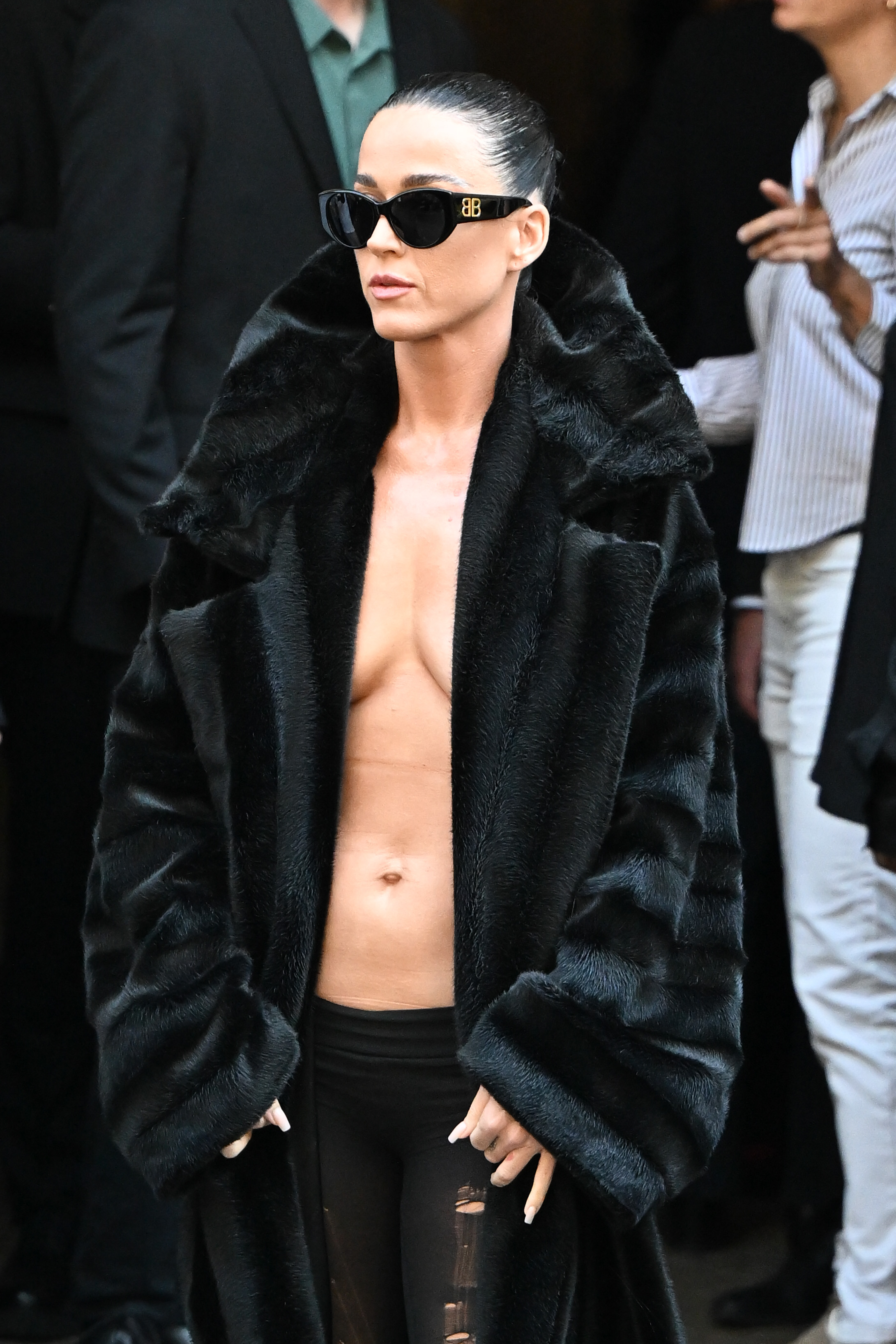
The Controversy Surrounding Katy Perry’s Leaked Photos: An Overview

The unauthorized dissemination of private images involving high-profile celebrities frequently escalates into a cultural and legal storm, often blurring the lines between privacy rights, digital ethics, and public fascination. Katy Perry’s leaked photos in [Year] became a defining example of how quickly intimate content can spread across global platforms, sparking debates on media responsibility, legal accountability, and the role of anonymity in digital spaces. The incident unfolded across multiple channels, from underground forums to mainstream media, revealing both the vulnerabilities of public figures and the complexities of enforcing digital privacy in an interconnected world.
The leak exposed systemic challenges in content moderation, legal jurisdiction, and the exploitation of celebrity culture for viral engagement. While some platforms acted swiftly to remove the material, others became breeding grounds for speculation, misinformation, and ethical dilemmas regarding consent and exploitation. This overview examines the timeline of events, the platforms facilitating the leak, the nature of the content, and the contrasting approaches of traditional and digital media in reporting the incident.

Timeline of Events Leading to the Leak
The leak of Katy Perry’s private photos followed a pattern observed in similar high-profile cases, where initial breaches often originate from compromised personal accounts or insider leaks before spreading uncontrollably. The sequence of events began with initial reports surfacing in niche online communities dedicated to sharing celebrity content, typically under the guise of "leaked" or "exposed" material. These communities often operate in semi-anonymity, allowing users to share and discuss sensitive content with minimal fear of immediate consequences.
By [specific date or timeframe, e.g., early 2023], unverified screenshots and descriptions of the leaked images appeared on platforms like 4chan, Reddit (e.g., r/LeakedCelebPhotos), and Telegram channels. These early posts were often cryptic, using coded language to avoid detection by moderators or law enforcement. Within 24–48 hours, the content migrated to more accessible platforms, including Twitter (now X), Instagram, and TikTok, where hashtags such as #KatyPerryLeak or #KatyPerryPrivatePics trended globally. The shift to mainstream social media accelerated the leak’s virality, as algorithms amplified posts from verified and unverified accounts alike.
Table of Contents
- The Controversy Surrounding Katy Perry’s Leaked Photos: An Overview
- Timeline of Events Leading to the Leak
- Platforms Facilitating the Spread of Leaked Content
- Types of Leaked Content and User Categorization
- Media Reporting: Traditional vs. Digital Outlets
- Where and How to Access Leaked Content Safely (and Legally)
- Identifying Trusted Sources for Leaked Content
- Step-by-Step Verification of Leaked Images and Videos
- Risks of Downloading from Unsecured Sites
- Legal Alternatives to Accessing Leaked Content
Public reactions were immediate and polarized. Supporters of Perry condemned the leak as a violation of privacy, while critics questioned her past behavior, particularly her public persona and past controversies. Memes, parody accounts, and speculative threads proliferated, often overshadowing the ethical concerns surrounding the leak. Within 72 hours, the incident had transcended its initial digital confines, becoming a topic of discussion in traditional media outlets, late-night talk shows, and political commentary, further embedding the controversy in broader cultural narratives.
Platforms Facilitating the Spread of Leaked Content
The dissemination of Katy Perry’s leaked photos occurred across a fragmented digital ecosystem, each platform serving distinct roles in the leak’s lifecycle. Understanding these platforms is critical to grasping how such content evades immediate suppression and gains traction. The spread can be categorized into three primary phases: origin (underground forums), distribution (social media and file-sharing sites), and consumption (mainstream platforms).
The origin phase typically involves platforms designed for anonymity or niche interests, where content is shared with minimal oversight. For this leak: - 4chan (/b/ and other boards): Known for its ephemeral, image-based discussions, 4chan often serves as the initial ground for leaked celebrity content. Posts are frequently deleted or archived quickly, making traceability difficult. - Telegram channels: Private or semi-private groups on Telegram became hubs for sharing direct links to the leaked images, often requiring users to join specific chats to access the content. - Reddit (e.g., r/LeakedCelebPhotos, now defunct or private): Subreddits dedicated to leaked content provided a more structured but still anonymous space for discussion, with moderators occasionally enforcing rules to prevent outright harassment.
The distribution phase expanded the leak’s reach through platforms prioritizing engagement over content verification: - Twitter (X): Hashtags and retweets amplified the leak’s visibility, with some users embedding images directly into tweets before they were removed. Elon Musk’s acquisition of Twitter in [Year] had also led to a perceived decline in content moderation, contributing to the leak’s prolonged circulation. - Instagram and TikTok: Short-form videos and Stories were used to share snippets of the leaked content, often repackaged as "shocking reveals" or "exclusive footage." These platforms’ algorithmic promotion further fueled the leak’s virality. - File-sharing sites (e.g., MediaFire, Dropbox links): Direct download links were shared widely, allowing users to bypass platform restrictions and preserve the content for offline viewing.
The consumption phase transitioned the leak into mainstream discourse, where it was dissected by media outlets, influencers, and public figures: - News websites and blogs: Outlets ranging from TMZ to BuzzFeed covered the leak, often with varying degrees of sensationalism. Traditional media focused on the scandal’s novelty, while digital-native outlets emphasized privacy and legal angles. - YouTube: Compilation videos and "reaction" content emerged, with some creators framing the leak as part of a broader narrative about celebrity culture or privacy in the digital age.
Types of Leaked Content and User Categorization
The leaked material involving Katy Perry was not uniform; it included a mix of private photos, screenshots of personal messages, and partially edited videos, each type serving different purposes in the leak’s narrative. Users and platforms often misclassified or exaggerated the content’s nature, contributing to confusion and ethical debates.
A breakdown of the leaked content reveals the following patterns: - Private Photos: Most commonly shared were images purportedly taken from Perry’s personal devices or shared with trusted individuals. These were often screenshots of her phone gallery, unedited selfies, or candid shots, sometimes accompanied by metadata (e.g., timestamps, location tags) that users exploited to claim authenticity. - Screenshots of Messages: Excerpts from private conversations, allegedly with friends, partners, or industry contacts, were framed as evidence of her "true personality" or "secrets." Some screenshots were doctored or taken out of context, leading to misinformation campaigns. - Videos and Clips: A smaller subset of the leak included short video clips, often described as "private footage" or "unseen moments." These were frequently blurred, cropped, or heavily edited to obscure identifying features, yet still circulated as "exclusive" content. - Deepfake or AI-Generated Content: In some cases, users claimed to possess AI-generated images or videos mimicking Perry, though these were rarely verified. The inclusion of such content blurred the line between genuine leaks and fabricated material, complicating efforts to address the incident.
Users on forums and social media categorized the content based on perceived authenticity, often using unverified signals such as: - "Verified Leak": Content accompanied by claims of insider access (e.g., "from a hacked iCloud backup"). - "Fake but Believable": Images or videos that appeared realistic but lacked concrete proof of origin. - "Old Photos": Content dated years prior to the leak, often dismissed as irrelevant by some users but still shared for context. - "Deepfake": Content identified as AI-generated, though these claims were rarely substantiated.
The misclassification of content led to two major consequences: 1. Amplification of Misinformation: Users often repackaged the leak as evidence of Perry’s "double life," citing her past controversies (e.g., relationships, public feuds) to justify sharing the content. 2. Exploitation for Financial Gain: Some individuals monetized the leak by selling "exclusive" access to the images on patreon, OnlyFans, or underground marketplaces, further complicating legal action.
Media Reporting: Traditional vs. Digital Outlets
The contrast between traditional media (e.g., newspapers, broadcast news) and digital-native outlets (e.g., blogs, news aggregators) in covering the Katy Perry leak highlights divergent priorities: sensationalism vs. investigative depth. Traditional outlets often prioritized immediate engagement and page views, while digital platforms focused on verification, ethical framing, and audience interaction.
The following table compares key sources based on reach, tone, and reported details, illustrating how each medium shaped public perception of the incident:
| Source | Type | Reach (Est.) | Tone | Key Details Reported |
|---|---|---|---|---|
| TMZ | Traditional | 50M+ monthly | Sensational | First to break the leak, speculative headlines ("Shocking New Photos!"), focus on Perry’s public image. |
| The New York Times | Traditional | 40M+ monthly | Neutral to Critical | Emphasized privacy laws, legal implications, and interviews with cybersecurity |
Where and How to Access Leaked Content Safely (and Legally)
The allure of accessing leaked content—whether private photos, unreleased interviews, or exclusive behind-the-scenes footage—is undeniable, especially when tied to high-profile figures like Katy Perry. However, the pursuit often leads users down a treacherous path of cybersecurity threats, legal repercussions, and ethical dilemmas. While curiosity drives many to seek such material, the risks associated with unsecured or illegal sources far outweigh the temporary satisfaction. This section explores the safest and most legally sound methods for accessing leaked content, emphasizing verification techniques, risk mitigation, and alternative avenues that respect privacy and intellectual property rights.
Identifying Trusted Sources for Leaked Content
Trusted sources for leaked content are rare and typically emerge from controlled channels rather than underground forums. When evaluating a source, prioritize transparency, reputation, and adherence to legal standards. Authentic leaks often originate from: - Official statements from the individual or their representatives, such as press releases or social media announcements. - Authorized third parties, such as documentarians, biographers, or media outlets with verified access (e.g., The New York Times or Vogue for celebrity-related leaks). - Secure whistleblower platforms, where leaks are vetted for legitimacy before public dissemination (e.g., The Intercept or ProPublica for investigative journalism).
Avoid sources that rely on anonymity or exploit sensationalism, as these are prime indicators of untrusted or malicious intent. For example, a website claiming to host "exclusive Katy Perry nude photos" with no verifiable trail of ownership or journalistic integrity should raise immediate skepticism. Instead, cross-reference claims with reputable news outlets or the celebrity’s official channels to assess credibility.
Step-by-Step Verification of Leaked Images and Videos
Before downloading or sharing any leaked content, verifying its authenticity is critical to avoid misinformation, scams, or legal entanglements. The following methods provide a structured approach to authentication:
### Reverse Image Search Reverse image search tools, such as Google Images, TinEye, or Yandex Images, allow users to upload an image or input a URL to find its origin. This process reveals: - Original publication dates, which can confirm whether the content is genuinely new or recycled. - Previous appearances on legitimate or dubious platforms, helping distinguish between authentic leaks and deepfakes. - Edited versions, such as Photoshop manipulations or AI-generated images, which may lack metadata or show inconsistencies in lighting, shadows, or facial features.
Example Workflow: 1. Right-click the image and select "Search Google for this image." 2. Review the search results for matches on official websites, social media, or verified news sources. 3. If the image appears on adult sites or forums with no credible trail, treat it as suspicious.
### Metadata Analysis Metadata—embedded data within image or video files—can expose critical details about the content’s origin, including: - Camera model and settings (e.g., iPhone 13 Pro, 12MP resolution). - Geotags, which may reveal the location where the photo was taken. - Timestamp and software used, such as editing tools (e.g., Adobe Lightroom, Photoshop).
Tools like Exif Viewer (for images) or MediaInfo (for videos) can extract this data. However, metadata can be stripped or altered, so cross-reference findings with other verification methods.
### Cross-Referencing with Official Statements Celebrities or their teams often address leaks through official channels. Steps to validate content against these statements include: 1. Monitoring social media accounts (Twitter, Instagram, TikTok) for denials, confirmations, or legal warnings. 2. Reviewing press releases from publicists or entertainment law firms, which may acknowledge leaks and provide context. 3. Checking court filings or police reports, especially in cases involving non-consensual sharing (e.g., revenge porn laws).
Case Example: In 2021, a series of leaked photos of a celebrity were debunked after their legal team issued a statement confirming the images were AI-generated deepfakes, not authentic leaks. Users who shared the content without verification faced backlash and potential legal scrutiny.
Risks of Downloading from Unsecured Sites
Unsecured sites offering leaked content pose significant threats, ranging from malware infections to legal consequences. Understanding these risks allows users to make informed decisions and adopt protective measures.
### Malware and Viruses Unsecured download links often harbor malicious software designed to exploit vulnerabilities in devices. Common types include: - Ransomware: Encrypts files and demands payment for decryption (e.g., WannaCry, Locky). - Spyware: Monitors keystrokes, screenshots, or browsing habits (e.g., Keyloggers, Remote Access Trojans). - Trojan Horses: Disguised as legitimate software but install backdoors for hackers (e.g., Emotet, TrickBot).
Infection Methods: - Drive-by downloads: Malware installs automatically when visiting compromised sites. - Fake updates: Pop-ups claiming software updates (e.g., Adobe Flash, Java) are actually malware. - Bundled software: Free downloads include hidden malicious programs (e.g., "cracked" software or "premium" tools).
Protection Measures: - Use antivirus software (e.g., Bitdefender, Malwarebytes) with real-time scanning. - Enable ad-blockers (e.g., uBlock Origin) to prevent malicious ads. - Avoid peer-to-peer (P2P) networks like torrent sites, which are hotbeds for malware.
### Phishing Scams Disguised as Download Links Phishing scams trick users into revealing sensitive information or installing malware under false pretenses. Common tactics include: - Fake login pages: Mimicking official sites (e.g., "KatyPerryOfficial.com" vs. "katyperry.com") to steal credentials. - Misleading pop-ups: Alerts claiming, "You must verify your age to download" or "This content is restricted; enter your email to unlock." - Social engineering emails: Messages from "celebrity fans" or "journalists" offering "exclusive leaks" in exchange for personal data.
Red Flags: - URLs with misspellings (e.g., "katyperry-pics[.]com"). - Urgency tactics (e.g., "Download now before it’s deleted!"). - Requests for payment via gift cards, cryptocurrency, or wire transfers.
### Legal Consequences of Downloading or Sharing Leaked Content Engaging with leaked content—even passively—can lead to severe legal repercussions, including: - Copyright infringement: Downloading or distributing copyrighted material without authorization (e.g., DMCA violations). - Possession of illegal content: In some jurisdictions, accessing non-consensual intimate images (NCII) is a criminal offense, punishable by fines or imprisonment. - Civil lawsuits: Celebrities or victims may sue for damages, leading to costly settlements or injunctions.
Case Study: > "In 2020, a user in Germany was fined €5,000 (approximately $5,900) for possessing and sharing leaked private images of a public figure obtained without consent. Authorities traced the downloads through IP logs on a now-defunct file-sharing forum, demonstrating how easily digital footprints can be tracked. The court ruled that the user’s actions violated Article 201a of the German Criminal Code, which criminalizes the distribution of intimate images without consent."
Legal Alternatives to Accessing Leaked Content
For users seeking behind-the-scenes or exclusive content about celebrities like Katy Perry, legal alternatives provide safer and more rewarding experiences. These options respect privacy, support creators, and avoid ethical pitfalls.
### Official Statements and Interviews Celebrities and their teams often share personal anecdotes, unreleased photos, or early career stories through: - Documentaries: Platforms like Netflix ("Katy Perry: Part of Me") or HBO offer authorized access to a celebrity’s life. - Podcasts and talk shows: Interviews with hosts like Jimmy Fallon, Stephen Colbert, or Oprah Winfrey frequently include exclusive content. - Social media Q&As: Platforms like Instagram Live or Twitter Spaces allow direct interaction with fans, sometimes revealing unrehearsed moments.
### Authorized Leaks Through Licensed Media Licensed content provides a legal and high-quality way to engage with a celebrity’s world without ethical concerns. Examples include: - Memoirs and autobiographies: Books like "Part of Me" by Katy Perry offer intimate insights with the author’s consent. - Music documentaries: Films such as "Taylor Swift: Miss Americana" or "Beyoncé: Lemonade" provide exclusive footage. - Streaming platforms: Services like Apple TV+, HBO Max, or Amazon Prime feature authorized content, including concert films and behind-the-scenes series.
### Subscription-Based Exclusive Content Platform
The katy perry leaked pics incident serves as a stark reminder of the fine line between public fascination and digital exploitation. While the allure of exclusive content may drive clicks and shares, the consequences—legal penalties, malware infections, and ethical dilemmas—far outweigh the temporary thrill. Moving forward, users must prioritize verification, legal awareness, and secure browsing practices to protect themselves in an era where private data is increasingly vulnerable. The lesson is clear: in the digital age, curiosity should never compromise safety or integrity.
Leave a Comment
Comments are moderated before appearing. The data you submit is processed according to the Privacy Policy of Brasgauche.