Phim Sex and the City Telegram reshapes fan culture and media legacy
Nearly three decades after its debut, Sex and the City remains a cultural phenomenon, its influence extending far beyond the screen into digital fan communities like Telegram. The show’s portrayal of female sexuality, career struggles, and urban romance redefined mainstream media, sparking conversations that still echo in modern dating culture and feminist discourse. Yet, its legacy today is not just confined to nostalgia—it thrives in encrypted chat rooms where fans dissect every frame, debate hidden meanings, and share bootleg content, blurring the lines between fandom and piracy.
Telegram has emerged as an unexpected hub for Sex and the City enthusiasts, offering a space where unofficial leaks, fan theories, and deep-dive analyses circulate freely. From analyzing Carrie Bradshaw’s iconic Manolo Blahniks as a metaphor for her journey to theorizing the true identity of Mr. Big, these digital communities dissect the show with obsessive precision. Meanwhile, the platform’s anonymity and encryption foster debates on ethical boundaries—where copyright infringement clashes with the passion of fans preserving a cultural touchstone. The result is a paradox: a show once groundbreaking in its representation now lives on in the shadows of the internet, where its impact is both celebrated and contested.
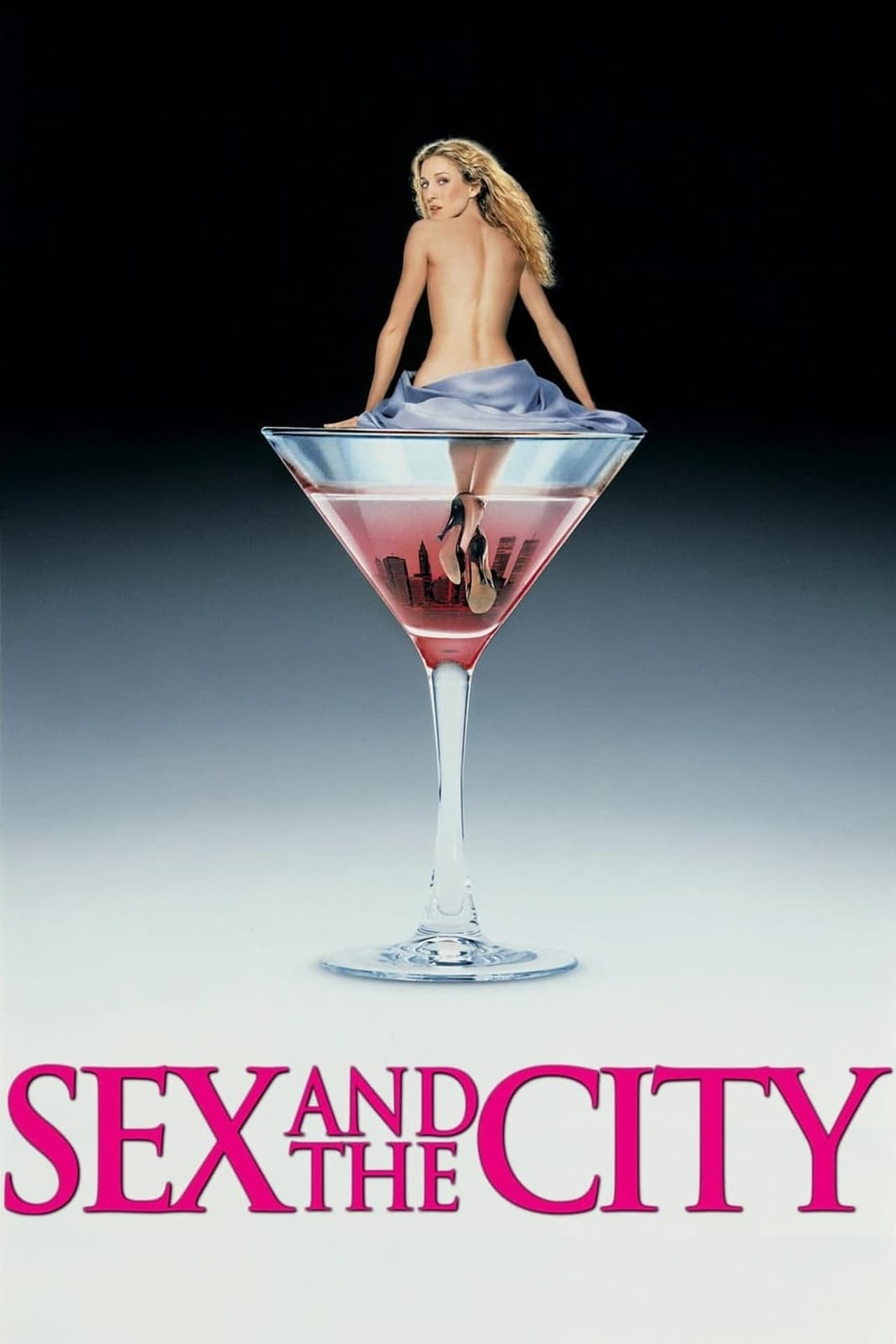
Redefining Female Sexuality and Relationships: Sex and the City as a Cultural Phenomenon in Mainstream Media

The debut of Sex and the City (1998–2004) marked a seismic shift in television storytelling by centering the unapologetic, multifaceted lives of four women navigating New York City’s high-stakes worlds of career, love, and friendship. Unlike prior depictions of women in media—often confined to passive roles or moralistic narratives—the show dismantled taboos surrounding female desire, autonomy, and emotional complexity. Its impact extended beyond entertainment, influencing fashion, feminist discourse, and the broader cultural dialogue on sexuality, particularly for millennial and Gen X audiences. The series did not merely reflect societal changes; it actively shaped them, setting a precedent for how female-led narratives could dominate mainstream media while addressing taboo topics with wit and depth.
The show’s cultural resonance was immediate, sparking conversations about female empowerment, queer visibility, and the intersection of personal and professional ambitions. Its blend of satire, humor, and raw vulnerability created a template for subsequent series, proving that women’s stories—especially those exploring sexuality—could be both commercially viable and critically acclaimed. Below, an exploration of how Sex and the City redefined media landscapes, its enduring relevance, and the legacy of its groundbreaking portrayals.
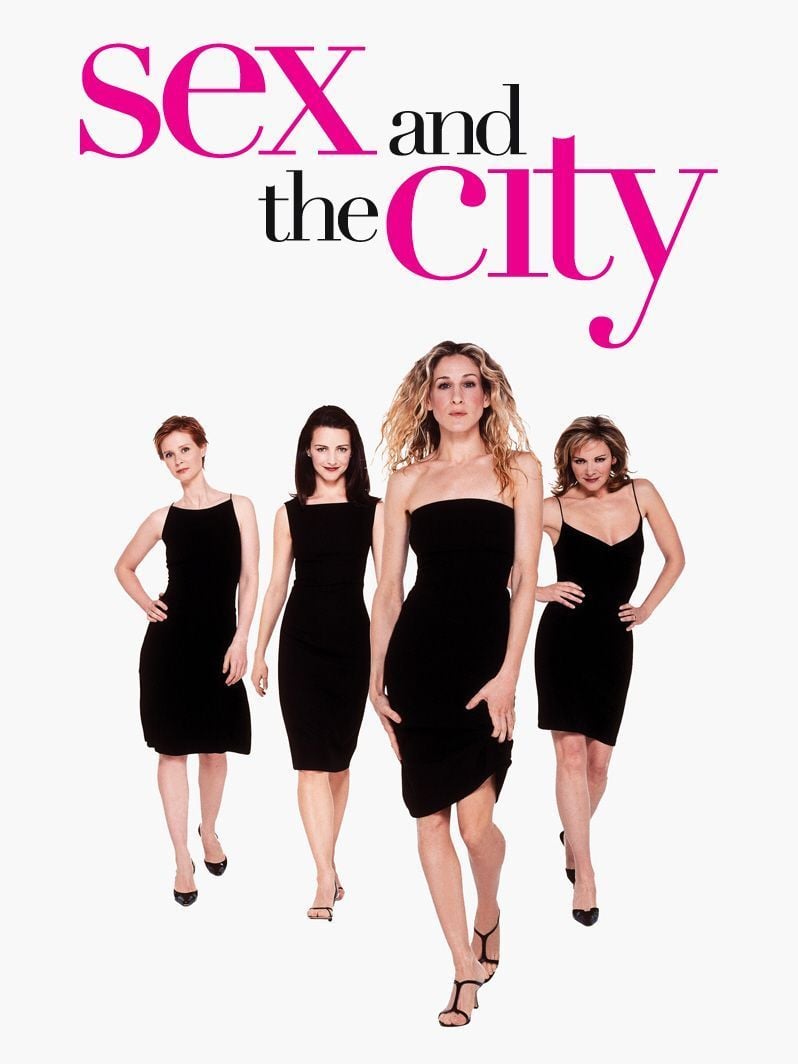
Breaking Taboos: Female Sexuality and Autonomy in the Late 1990s and Early 2000s
Prior to Sex and the City, depictions of female sexuality in mainstream media were often sanitized, framed through male gaze, or relegated to subplots. The show’s willingness to address topics like masturbation ("The Agony and the ‘Ex’-tacy," Season 1), orgasms ("The Real Me," Season 3), and sexual dissatisfaction ("A Woman’s Right to Shoes," Season 2) challenged audiences to confront taboos openly. The series positioned female pleasure as a legitimate, even celebratory, subject rather than a source of shame or comedy.
Key episodes served as cultural milestones: - "The Agony and the ‘Ex’-tacy" (Season 1, Episode 10) introduced the concept of "solo sex" as a normal part of a woman’s life, a radical idea at the time. The scene where Carrie Bradshaw (Sarah Jessica Parker) masturbates while reading The New Yorker became iconic, symbolizing female agency over her own body. - "A Woman’s Right to Shoes" (Season 2, Episode 14) critiqued societal expectations through Samantha Jones’ (Kim Cattrall) unapologetic embrace of her sexuality, including her famous line: "I don’t need a man to validate my existence. I have my vibrator." - "The Baby Shower" (Season 3, Episode 18) tackled the pressure on women to conform to traditional family structures, with Charlotte (Kristin Davis) grappling with infertility while Miranda (Cynthia Nixon) navigated single motherhood.
Table of Contents
- Redefining Female Sexuality and Relationships: Sex and the City as a Cultural Phenomenon in Mainstream Media
- Breaking Taboos: Female Sexuality and Autonomy in the Late 1990s and Early 2000s
- Fashion as a Cultural Language: How Sex and the City Reshaped Style Icons
- Queer Visibility and Representation: Stanford Blatch and the Show’s Progressive Stance
- Satire and Humor: The Evolution of Sex and the City ’s Tone Across Seasons
- Comparative Analysis: *Sex and the City The Role of Telegram in Sharing and Distributing Sex and the City -Related Content Telegram has emerged as a clandestine yet vibrant ecosystem for Sex and the City enthusiasts, offering a space where fans can exchange content that ranges from official ephemera to highly speculative or unauthorized material. Unlike mainstream social media platforms, Telegram’s encrypted, decentralized structure allows communities to operate with relative anonymity, fostering both creativity and controversy. The platform’s appeal lies in its ability to host niche discussions, bypass traditional censorship, and provide immediate access to content that may be restricted elsewhere. From fan-made alternate universes to bootleg streams, Telegram has become a double-edged sword—empowering fan engagement while navigating legal and ethical ambiguities. The platform’s architecture, designed to prioritize privacy and speed, makes it an ideal hub for Sex and the City fans seeking exclusive or hard-to-find material. While some groups adhere strictly to fan fiction and memes, others venture into gray areas, distributing content that challenges copyright boundaries. This duality reflects broader trends in digital fandom, where the line between admiration and exploitation blurs, particularly for cultural phenomena like Sex and the City , which remains a staple in discussions about female sexuality, urban feminism, and pop culture. Telegram as a Hub for Unofficial Sex and the City Content
- Types of Sex and the City Content Circulating on Telegram
- Telegram Communities Organizing Watch Parties and Role-Playing Games
- Fan Theories, Deep Dives, and Hidden Details in Sex and the City Explored on Telegram
- Popular Fan Theories and Their Telegram Discussions
- Telegram’s Role in Episode Deep Dives and Hidden Meanings
These moments were not just plot points but cultural touchstones, sparking debates in feminist circles and mainstream media about the portrayal of women’s bodies and desires. The show’s success demonstrated that audiences craved narratives that reflected their lived experiences, paving the way for future series like Girls (2012–2017) and Insecure (2016–present) to explore similar themes with greater nuance.
Fashion as a Cultural Language: How Sex and the City Reshaped Style Icons
Fashion played a pivotal role in Sex and the City, with each character’s wardrobe reflecting her personality, status, and evolving identity. The show’s costume designer, Patricia Field, collaborated with designers like Manolo Blahnik, Oscar de la Renta, and Ralph Lauren to create looks that became aspirational for millions. The series’ influence on fashion extended beyond the screen, with Manolo Blahnik reporting a 40% sales increase after the show’s premiere, and the iconic "Sex and the City" heels becoming a cultural symbol.
Key fashion moments tied to cultural shifts: - Season 1 (1998–1999): The show’s debut coincided with the rise of the "power dressing" trend, where women in corporate roles (like Miranda) adopted tailored suits to assert authority. Carrie’s signature black Manolo Blahnik pumps became a status symbol, embodying the fusion of femininity and ambition. - Season 3 (2000–2001): The introduction of the "SATC" logo on Carrie’s shoes and accessories turned the show into a brand, blurring the lines between entertainment and commerce. This strategy foreshadowed the rise of product placement in television, later seen in shows like Gossip Girl (2007–2012). - Season 6 (2003–2004): The finale’s "I love New York" campaign, featuring the girls in designer outfits, became a $10 million marketing success, proving the show’s ability to merge storytelling with consumer culture.
The show’s fashion legacy also highlighted the intersection of class and identity. Charlotte’s evolution from a wealthy but insecure bride-to-be to a confident career woman mirrored broader cultural shifts in the early 2000s, where women increasingly prioritized professional success over traditional gender roles. This dynamic influenced later series like The Bold Type (2017–2021), which similarly used fashion to explore female empowerment in the workplace.
Queer Visibility and Representation: Stanford Blatch and the Show’s Progressive Stance
Sex and the City was ahead of its time in its portrayal of LGBTQ+ characters, particularly Stanford Blatch (Matt Ross), whose relationship with Anthony Marantino (James Franco) in Season 3 became one of the first mainstream depictions of a same-sex relationship on network television. Stanford’s character was not a sidekick or a punchline but a fully realized individual whose struggles with identity, love, and societal acceptance resonated with queer audiences.
The show’s handling of Stanford’s story was groundbreaking: - Season 3, Episode 11 ("The Man, the Myth, the Viagra"): Stanford’s coming-out narrative was framed as a personal journey rather than a plot device. His relationship with Anthony was depicted with the same emotional weight as the heterosexual relationships of the main characters. - Public Reception: While the show received praise for its progressive stance, it also faced criticism for reducing Stanford’s arc to a "gay best friend" trope in later seasons. However, his presence remained significant in normalizing queer relationships in mainstream media, influencing later shows like Modern Family (2009–2020) and Looking (2014–2018).
Stanford’s legacy lies in his ability to challenge stereotypes while remaining relatable. The show’s willingness to explore queer themes without sensationalism set a precedent for future representations, though later series like Pose (2018–2021) and Queer Eye (2018–present) have expanded on these foundations with more diverse and complex narratives.
Satire and Humor: The Evolution of Sex and the City’s Tone Across Seasons
Sex and the City balanced sharp wit with poignant storytelling, but its tone evolved significantly over six seasons. Early episodes relied on broad humor and pop-culture references, while later seasons incorporated darker themes, reflecting the characters’ aging and the show’s cultural maturation.
Key shifts in humor and satire: - Seasons 1–2 (1998–2000): The humor was lighter, with jokes centered on dating mishaps, fashion mishaps, and New York’s eccentricities. Episodes like "The Power of Female Friendship" (Season 1, Episode 6) used satire to critique gender dynamics, such as Carrie’s frustration with male double standards. - Seasons 3–4 (2000–2002): The show introduced more self-aware humor, particularly in episodes like "The Agony and the ‘Ex’-tacy," where Carrie’s monologue about masturbation was framed as both comedic and empowering. This period also saw the introduction of more cynical, jaded tones, reflecting the characters’ disillusionment with love. - Seasons 5–6 (2003–2004): The humor became more biting, with episodes like "The Mother of All Questions" (Season 5, Episode 1) tackling serious topics such as aging, mortality, and the pressures of modern relationships. The satire was no longer just about dating but about the broader absurdities of society, such as the commercialization of love (e.g., the "Manolo Blahnik" episode, Season 6, Episode 12).
This evolution mirrored the show’s cultural impact, as it grew from a provocative but still lighthearted comedy into a more introspective exploration of female experiences. The shift influenced later series like Girls, which embraced raw, unfiltered humor to critique millennial disillusionment.
Comparative Analysis: *Sex and the City
The Role of Telegram in Sharing and Distributing Sex and the City-Related Content
Telegram has emerged as a clandestine yet vibrant ecosystem for Sex and the City enthusiasts, offering a space where fans can exchange content that ranges from official ephemera to highly speculative or unauthorized material. Unlike mainstream social media platforms, Telegram’s encrypted, decentralized structure allows communities to operate with relative anonymity, fostering both creativity and controversy. The platform’s appeal lies in its ability to host niche discussions, bypass traditional censorship, and provide immediate access to content that may be restricted elsewhere. From fan-made alternate universes to bootleg streams, Telegram has become a double-edged sword—empowering fan engagement while navigating legal and ethical ambiguities.
The platform’s architecture, designed to prioritize privacy and speed, makes it an ideal hub for Sex and the City fans seeking exclusive or hard-to-find material. While some groups adhere strictly to fan fiction and memes, others venture into gray areas, distributing content that challenges copyright boundaries. This duality reflects broader trends in digital fandom, where the line between admiration and exploitation blurs, particularly for cultural phenomena like Sex and the City, which remains a staple in discussions about female sexuality, urban feminism, and pop culture.
Telegram as a Hub for Unofficial Sex and the City Content
Telegram’s decentralized nature has transformed it into a magnet for Sex and the City fans who seek content beyond what HBO or official merchandise offers. Unlike centralized platforms that enforce strict content policies, Telegram groups and channels operate with varying degrees of moderation, allowing users to share material that might be flagged or removed elsewhere. This includes leaked episodes, behind-the-scenes footage, and even raw cuts of scenes that were edited out of the final broadcast. The platform’s end-to-end encryption ensures that conversations and file-sharing remain private, appealing to fans who prioritize discretion or reside in regions with restrictive internet policies.
One of the most significant advantages of Telegram for Sex and the City communities is its ability to host large files and media without the limitations imposed by other platforms. For instance, high-resolution fan art, extended interviews with cast members, or even rare screen captures from early drafts of the show can be shared seamlessly. Additionally, Telegram’s "secret chats" feature allows users to engage in private discussions about sensitive topics, such as theories about the show’s controversial moments or speculative content that might not align with official narratives. The platform’s resistance to third-party interference has also made it a go-to for fans who wish to preserve or redistribute archival content, such as old fan zines or lost episodes from international broadcasts.
Types of Sex and the City Content Circulating on Telegram
The diversity of Sex and the City content on Telegram reflects the show’s enduring influence across multiple fandom layers. Below is a breakdown of the most common categories, each serving distinct purposes within the fanbase.
Fan Fiction and Alternate Universes
Fan fiction (fanfic) remains one of the most prolific forms of Sex and the City content on Telegram, with writers exploring alternate endings, character-driven spin-offs, and entirely new narratives set in the same universe. These stories often reimagine key plot points—such as Carrie Bradshaw’s relationship with Mr. Big or Miranda Hobbes’ career struggles—while introducing original conflicts or resolutions. Some fanfic groups on Telegram specialize in specific genres, such as dark AU (alternate universe) stories where the characters face dystopian scenarios, or romantic retellings that focus on pairings not explored in the original series.
A notable trend in Sex and the City fanfic is the creation of "what-if" scenarios, where writers speculate on outcomes that were only hinted at in the show. For example, some stories explore what might have happened if Carrie and Big had stayed together, or how the characters would navigate modern dating dynamics. These narratives often serve as a form of emotional catharsis for fans who felt certain storylines were unresolved. Telegram’s file-sharing capabilities allow writers to distribute their work in serial form, complete with formatting and illustrations, creating a quasi-professional publishing experience within the fandom.
Memes, Viral Clips, and Iconic One-Liners
Telegram groups dedicated to Sex and the City are treasure troves of memes, viral clips, and iconic dialogue snippets that have transcended the show’s original context. The platform’s ability to host media files efficiently makes it ideal for sharing bloopers, outtakes, and moments that were cut from the final edit but later resurfaced in bonus features or behind-the-scenes documentaries. For example, clips of the cast’s improvisational humor or candid reactions during filming are frequently circulated, often accompanied by humorous captions or remixes set to trending audio.
One of the most active sub-communities on Telegram focuses on compiling and remixing the show’s most quotable lines. Phrases like "I don’t want to be a woman, I want to be a woman with a plan" or "I’m not a regular girl, I’m a woman with a mission" are repurposed into memes, edited videos, or even AI-generated deepfake scenarios. These clips often go viral within niche circles, with fans creating challenges or trends around specific quotes. Telegram’s algorithm, which prioritizes direct sharing between users, accelerates the spread of such content, ensuring that even older episodes continue to generate engagement decades after their original airdate.
Theories and Deep Dives into Character Psychology
Telegram has become a breeding ground for Sex and the City theories, ranging from surface-level observations to intricate analyses of character motivations. Fans dissect every episode for hidden details, such as subtle changes in the characters’ wardrobe, recurring symbols (e.g., the color red as a motif for passion or danger), or inconsistencies in the show’s timeline. Some groups are dedicated to "shipping" specific character pairings, while others explore psychological interpretations of the characters’ relationships, such as Miranda’s workaholism or Charlotte’s struggle with societal expectations of marriage.
One of the most popular theory-based communities on Telegram focuses on "lost episodes"—speculative content about episodes that were filmed but never aired. Fans debate the existence of these episodes, often citing leaks or rumors from production sources. For instance, there are persistent theories about an unaired episode where Carrie dates a much younger man, or a scene where Samantha’s sexual encounters take a darker turn. Telegram groups host discussions where members cross-reference script excerpts, cast interviews, and behind-the-scenes footage to piece together these missing narratives. The platform’s anonymity allows users to share unfiltered opinions without fear of backlash, fostering a culture of deep analysis.
Bootleg Streams and Low-Quality Content Distribution
The dark side of Telegram’s role in Sex and the City fandom involves the distribution of bootleg streams, low-quality rips, and pirated content. While some groups explicitly state that they do not condone copyright infringement, others operate in legal gray areas, sharing files that are easily accessible through unofficial sources. This content often includes:
Telegram Communities Organizing Watch Parties and Role-Playing Games
Telegram’s real-time communication tools have enabled Sex and the City fans to organize synchronous activities, such as watch parties, live discussions, and even role-playing games (RPGs). These events leverage Telegram’s features like voice chats, video calls, and shared media links to create immersive experiences that mimic the show’s social dynamics. Watch parties are particularly popular during major anniversaries or re-releases of the series. Fans coordinate to stream episodes simultaneously, often pairing them with themed snacks or costumes (e.g., dressing as the characters for a "Manolo Blahnik Challenge"). Some groups go further by creating bingo cards with iconic moments from the show, encouraging participants to mark off scenes as they watch. Telegram’s ability to host large group chats (up to 200,000 members in supergroups) allows these events to scale, with moderators using bots to manage participation and distribute discussion prompts. Role-playing games based on Sex and the City have also gained traction on Telegram. These RPGs often involve users adopting the personas of the main characters, navigating fictional scenarios inspired by the show’s themes. For example, players might role-play Carrie’s dating life in modern New York, complete with "dates" conducted via voice chats and storyFan Theories, Deep Dives, and Hidden Details in Sex and the City Explored on Telegram
The cultural impact of Sex and the City extends far beyond its original broadcast, evolving into a treasure trove of speculative analysis, symbolic interpretations, and behind-the-scenes revelations. Telegram, with its niche communities and unfiltered discussion spaces, has become a hub for fans to dissect the show’s intricate narratives, hidden Easter eggs, and subtextual layers. Unlike mainstream platforms where discussions often remain surface-level, Telegram groups foster deep-dive conversations where users leverage episode timestamps, costume symbolism, and alternate takes to theorize about the show’s unresolved mysteries. These explorations reveal how Sex and the City operates not just as entertainment but as a cultural artifact rich with layered meanings, from the enigmatic identity of Mr. Big to the psychological undercurrents of Carrie’s relationships. The platform’s algorithm, which prioritizes engagement within closed groups, encourages prolonged discussions where members cross-reference production notes, cast interviews, and even leaked behind-the-scenes footage. Telegram’s absence of algorithmic censorship also allows for the circulation of speculative content—such as theories about Hazel’s ambiguous role in Carrie and Big’s relationship or the significance of recurring locations like the Metropolitan Museum—that might be flagged or downranked on other social media. This section examines how Telegram communities have transformed Sex and the City fandom into a collaborative investigative space, where every episode, costume, and dialogue exchange is scrutinized for hidden truths.Popular Fan Theories and Their Telegram Discussions
The most enduring fan theories about Sex and the City revolve around unresolved plotlines, ambiguous character dynamics, and symbolic motifs that creators Darren Star and the cast have never fully addressed. Telegram groups act as digital archives for these theories, with users compiling evidence from episodes, interviews, and even deleted scenes to support their interpretations. Below are three of the most debated theories, along with how Telegram communities have engaged with them. The True Identity of Mr. Big (John James Preston) One of the show’s most persistent mysteries is the true identity of John James Preston, the elusive billionaire who embodies Carrie Bradshaw’s idealized fantasy of love. While the show ultimately reveals Big’s identity in the finale, fans have spent years dissecting his character for hidden clues. Telegram threads often revisit early episodes where Big’s wealth, cryptic dialogue, and even his physical resemblance to other characters (such as the mysterious "Russian" businessman) are analyzed for subtext. For example, some users point to Big’s sudden appearance in Carrie’s life as suspiciously timed, suggesting he may have been orchestrating their reunion long before their first date. Others speculate that his wealth was inherited rather than self-made, tying into broader themes of legacy and privilege in the show. A recurring argument in Telegram discussions posits that Big’s true identity is not just about his name but his role as a manifestation of Carrie’s subconscious desires. Users cite his initial reluctance to commit, his emotional unavailability, and even his eventual proposal in a church—symbolic of Carrie’s longing for traditional romance—all as clues that he represents an ideal rather than a real person. Some threads also explore whether Big’s backstory (including his wife, Hazel) was ever intended to be more than a narrative device, with users debating whether his marriage was a genuine plot point or a red herring to complicate Carrie’s pursuit. Carrie’s Relationship with Hazel Preston Hazel Preston, Big’s wife, occupies a morally ambiguous space in Sex and the City, serving as both a foil and a catalyst for Carrie’s journey. Telegram discussions frequently revolve around whether Hazel was a victim of Big’s manipulation or a willing participant in an open marriage. Some fans argue that Hazel’s knowledge of Carrie and Big’s affair—despite her occasional appearances in their lives—suggests a level of complicity or emotional detachment. Others interpret her as a tragic figure, trapped in a loveless marriage while Big pursues Carrie, only to abandon her in the end. A particularly heated debate on Telegram centers on whether Hazel’s character was intended to humanize Big or to expose Carrie’s selfishness. Users often cite Hazel’s brief but poignant moments, such as her tearful goodbye to Big in the finale, as evidence that she was more than just a plot device. Some even speculate that Hazel’s fate was a deliberate narrative choice to critique Carrie’s prioritization of love over ethics. The ambiguity of Hazel’s role has led to creative fanfiction and alternate endings circulating in Telegram groups, where members rewrite her character’s arc to fit their interpretations. Symbolism in Recurring Locations The show’s iconic settings—such as the Metropolitan Museum, the Hamptons, and the Brass Monkey bar—are rarely treated as mere backdrops. Telegram users have meticulously analyzed these locations for their symbolic weight, often cross-referencing real-life parallels to the characters’ emotional states. For instance, the Metropolitan Museum, where Carrie and Big share their first kiss, is frequently discussed as a metaphor for Carrie’s intellectual and emotional growth. Fans point to the museum’s grandiosity as a reflection of her aspirations, while its cold, marble halls contrast with the warmth of her relationships. Similarly, the Hamptons, a recurring setting for the girls’ summer getaways, is interpreted as a space of both escape and confrontation. Telegram threads explore how the Hamptons represent Carrie’s struggle with aging and mortality, given its association with wealth, leisure, and the passage of time. Users also dissect the show’s use of New York City itself as a character, with each neighborhood (e.g., the Upper East Side, Greenwich Village) embodying different facets of the women’s identities. These discussions often include screenshots of episode stills paired with production notes about location choices, adding depth to the theories.Telegram’s Role in Episode Deep Dives and Hidden Meanings
Telegram groups have become virtual laboratories for Sex and the City analysis, where users employ a mix of textual, visual, and contextual evidence to uncover hidden layers in the show. The platform’s features—such as file-sharing capabilities, timestamped discussions, and private group archives—enable fans to engage in highly detailed examinations of individual episodes. Below are key methods through which Telegram communities dissect the show, along with examples of their findings. Symbolism in Costumes and Fashion Fashion is central to Sex and the City, and Telegram users have turned Carrie’s iconic wardrobe into a visual language of her emotional and psychological state. The most analyzed piece is Carrie’s Manolo Blahniks, which fans interpret as a metaphor for her journey from vulnerability to empowerment. Early in the series, Carrie’s shoes are often scuffed or impractical, reflecting her insecurities, while later seasons feature sleek, high-heeled designs symbolizing her confidence. Telegram threads include side-by-side comparisons of her outfits across seasons, paired with quotes from the show to illustrate how her fashion evolves alongside her relationships. Another popular discussion point is Miranda’s power suits, which users analyze as a commentary on her career-driven persona and occasional struggles with femininity. Charlotte’s preppy aesthetic is often contrasted with Carrie’s boldness, leading to debates about whether their fashion choices reflect their life priorities. Telegram groups frequently share high-resolution screenshots of costume breakdowns, annotating each outfit’s colors, fabrics, and accessories to align with the characters’ arcs. Dialogue Foreshadowing and Subtext Telegram users are adept at identifying dialogue that foreshadows future events or carries double meanings. One of the most cited examples is Charlotte’s offhand remark in Season 1 about wanting to "have it all"—a phrase that later becomes a mantra for the show and is revisited in nearly every season. Fans speculate that this line was planted early to set up the series’ central theme of balancing career and relationships. Similarly, Carrie’s repeated declarations of "I’m not ready" are dissected as both a literal and metaphorical statement about her fear of commitment. Another layer of analysis involves subtextual exchanges, such as the unspoken tension between Carrie and Big or the unspoken attraction between Samantha and her various partners. Telegram threads often include transcript excerpts with annotations highlighting sarcasm, innuendo, or deliberate omissions. For example, users point to Big’s cryptic line, "I’m not a man who believes in fate," as evidence of his reluctance to embrace Carrie’s romantic idealism. These discussions frequently reference the show’s original scripts or director’s commentaries to explore whether certain lines were improvised or intentionally ambiguous. Cut Scenes and Alternate Takes While Sex and the City was meticulously edited for broadcast, Telegram groups have circulated leaked or fan-compiled cut scenes and alternate takes that offer alternative perspectives on the show’s narrative. One infamous example is the deleted scene where Carrie and Big’s first kiss at the museum is shown from a different angle, revealing Hazel’s presence in the background—a detail that was cut from the final edit. Telegram users have speculated that this omission was intentional to maintain the illusion of Big’s secrecy, or that it was an error that creators later regretted. Other alternate takes involve extended scenes of Samantha’s one-night stands or Miranda’s workplace conflicts, which fans argue provide more nuanced portrayals of the characters. Telegram groups often share these clips alongside production notes about why certain scenes were cut, leading to debates about whether the show’s pacing or tone would have shiftedSex and the City transcended television to become a cultural blueprint, and its modern revival in Telegram groups underscores how fan communities redefine legacy. While the show’s original run challenged norms, today’s digital discussions reveal its enduring relevance—whether through viral theories, bootleg streams, or nostalgic watch parties. Yet, the platform’s role in hosting such content raises critical questions about ethics, accessibility, and the future of fandom in the digital age. As fans continue to unravel its mysteries, Sex and the City proves that even iconic stories are never truly closed—they simply evolve, one encrypted message at a time.
Leave a Comment
Comments are moderated before appearing. The data you submit is processed according to the Privacy Policy of Brasgauche.