NoSurveyFreeEuropeanNudeSpasRevealed
Europe’s no-survey-free nude spas offer a radical reimagining of wellness where privacy meets relaxation without intrusive data collection. Unlike their survey-laden counterparts, these sanctuaries prioritize seamless experiences, blending centuries-old traditions with modern wellness science. From Finland’s smoke saunas to Germany’s thermal baths, these spaces defy conventional spa norms by embracing nudity as a tool for deeper mental and physical release.
The rise of these establishments reflects a growing European demand for spaces free from corporate tracking and overcommercialization. Legal frameworks in countries like Austria and the Netherlands ensure these venues operate within strict privacy laws, while their design—focused on sensory deprivation and holistic healing—creates an environment where guests shed more than clothing. Whether targeting stressed professionals or travelers seeking authenticity, these spas redefine luxury through simplicity, proving that true wellness begins when boundaries dissolve.

Understanding No-Survey-Free European Nude Spa Concepts: Cultural, Legal, and Wellness Perspectives
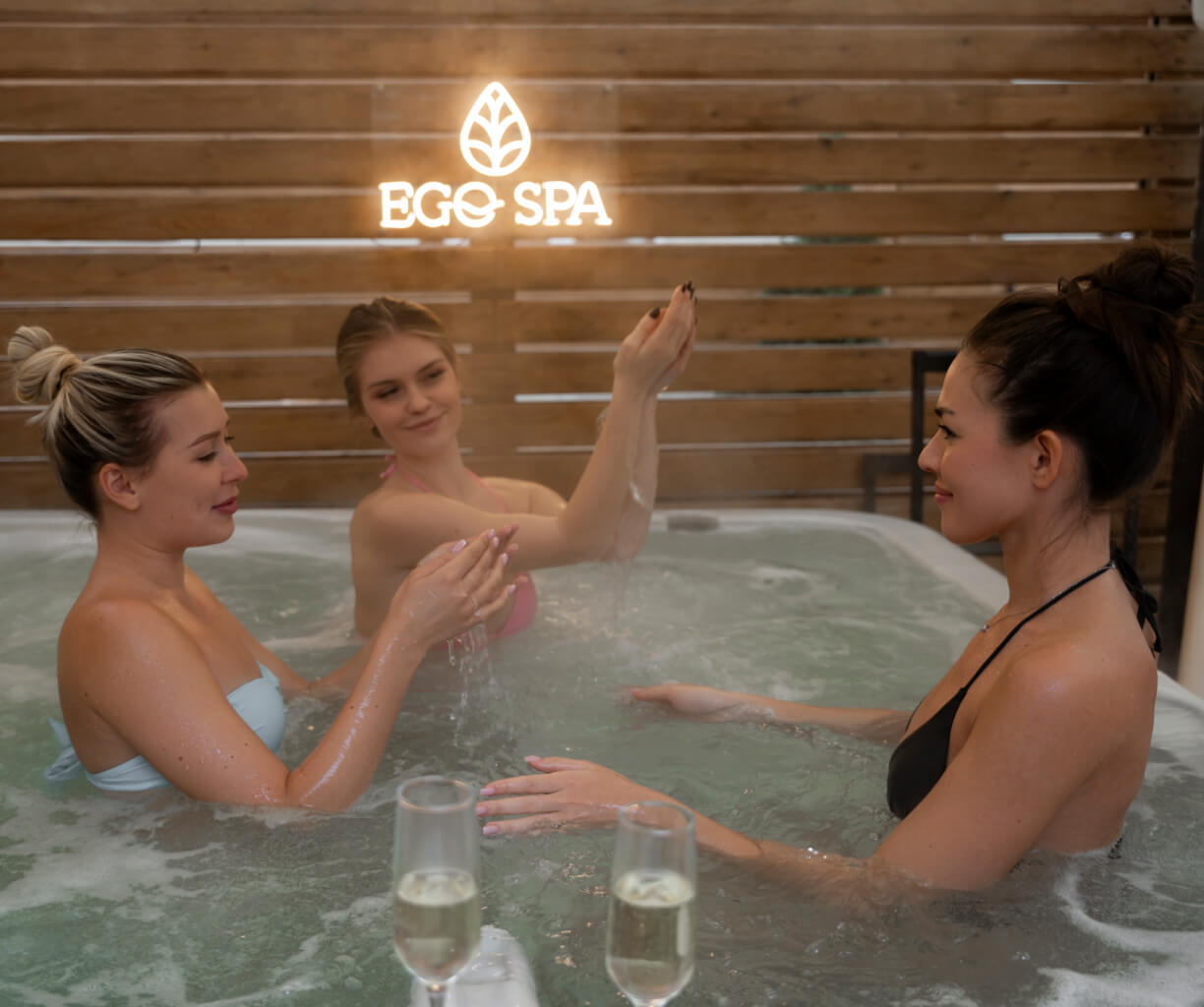
European nude spas represent a unique intersection of wellness culture, legal frameworks, and consumer privacy trends, particularly in regions where such establishments thrive as mainstream alternatives to traditional spas. Countries like Germany, Finland, and Austria have long embraced nudity in public wellness spaces, rooted in historical traditions of communal bathing and holistic health practices. The concept diverges sharply from sexualized imagery by prioritizing non-sexual intimacy, sensory deprivation, and mental relaxation—aligning with European values of privacy, minimalism, and evidence-based wellness. Legal distinctions further solidify their legitimacy, with age restrictions (typically 18+), strict privacy laws (e.g., Austria’s Öffentlichkeitsrecht), and public decency regulations ensuring these spaces remain free from commercial exploitation or voyeurism. The "no-survey" policy reflects broader European skepticism toward intrusive data collection, particularly among travelers who value seamless, low-friction experiences without compromising personal autonomy.
Cultural and Historical Foundations of Nude Spas in Europe

The prevalence of nude spas in Europe stems from centuries-old bathing traditions that emphasized collective hygiene, social equality, and mental well-being. In Finland, the löyly (sauna) culture dates back to the 18th century, where communal saunas were integral to rural life, fostering community bonds without gender segregation. Similarly, Germany’s Kurort tradition—dating to Roman thermal baths—evolved into modern wellness retreats where nudity was normalized as part of therapeutic routines. Austria’s Alpenland spas, particularly in Tyrol and Salzburg, incorporated nude bathing as early as the 19th century, influenced by medical spas (Kurkliniken) that prescribed nude treatments for respiratory and circulatory health.
A defining shift occurred post-WWII, as European wellness culture embraced psychosomatic therapies and sensory deprivation, popularized by figures like Dr. John Lilly (sensory isolation tanks) and Fritz Perls (Gestalt therapy). Nude spas in these regions became laboratories for non-verbal communication, where the absence of clothing reduced social hierarchies, aligning with European philosophies of existentialism and minimalism. Today, establishments like Finnish Allas Sea Pool (Helsinki) or German Therme Erding integrate nude zones as standard offerings, reflecting societal acceptance rather than taboo.
Legal Frameworks Governing Nude Spas Across Europe
The legality of nude spas varies by country, with Germany, Austria, and Finland adopting the most permissive yet regulated approaches. Below is a comparative breakdown of key legal parameters:
Table of Contents
- Understanding No-Survey-Free European Nude Spa Concepts: Cultural, Legal, and Wellness Perspectives
- Cultural and Historical Foundations of Nude Spas in Europe
- Legal Frameworks Governing Nude Spas Across Europe
- Differentiating Nude Spas from Traditional Spas: Services and Target Demographics
- No-Survey Policies and European Consumer Privacy Trends
- Top Destinations for No-Survey-Free Nude Spas in Europe: A Curated Guide to Wellness and Relaxation
- Berlin: The Urban Sanctuary for Progressive Wellness
- Curated List of High-Rated Nude Spas in Berlin
- Helsinki: Nordic Elegance Meets Thermal Wellness
- Curated List of High-Rated Nude Spas in Helsinki
- Design and Atmosphere: Crafting the Essence of European Nude Spa Experiences
- Architectural Layout: Privacy and Flow in Nude Spa Design
- Sensory Immersion: Lighting, Soundscapes, and Aromatherapy
- Staff Training and Etiquette: Professionalism Meets Relaxation
- Philosophical Foundations: Design Principles from Spa Managers and Wellness Experts
- Architectural Evolution: From Traditional Saunas to Modern Wellness Sanctuaries
- Wellness and Health Benefits of Nude Spa Visits: Physiological, Psychological, and Therapeutic Insights
- Physiological and Psychological Mechanisms of Nude Spa Therapy
- Specialized Wellness Treatments in Nude Spas and Their Unique Advantages
- Structured Nude Spa Wellness Routine: Pre-, During, and Post-Visit Protocols
- Scientific Benefits of Nude Spa Treatments: Evidence-Based Breakdown
- Practical Guide: Planning a No-Survey-Free Nude Spa Trip to Europe
- Booking a No-Survey-Free Nude Spa Visit: Research and Reservation Process
- Packing Essentials for a Nude Spa Trip: Dos and Don’ts
- Navigating Cultural Norms and Etiquette in European Nude Spas
| Parameter | Germany | Austria | Finland | Sweden |
|---|---|---|---|---|
| Age Restrictions | 18+ (strictly enforced; ID checks mandatory) | 16+ in most regions (18+ for mixed-gender saunas) | 18+ (Finnish Sauna Act prohibits minors) | 18+ (local ordinances may vary) |
| Public Decency Laws | Nudity permitted if in a "designated wellness area" (Wellnessbereich); indecent exposure punishable under §184 StGB | Öffentlichkeitsrecht allows nudity in private wellness facilities; public indecency (§222 StGB) applies outside | No federal law; local municipalities regulate (e.g., Helsinki prohibits public nudity outside spas) | Nudity legal in private saunas; public exposure (Brottsbalk §6:10) illegal |
| Privacy Regulations | GDPR compliance mandatory; cameras prohibited in changing/nude areas (Bundesdatenschutzgesetz) | Strict Datenschutzgesetz prohibits surveillance; audio/video recording in nude zones is illegal | Finnish Data Protection Act enforces anonymity; spas must disclose privacy policies | GDPR applies; Personuppgiftslagen restricts data collection without consent |
| Commercial Restrictions | No surveys or data collection without explicit consent (§4a UWG); nudity cannot be advertised as a "promotional gimmick" | Spas cannot solicit personal data for marketing; Konsumentenschutzgesetz protects against coercive surveys | No mandatory surveys; Konsumenttila prohibits deceptive wellness claims | Surveys require opt-in; Marknadsföringslagen bans intrusive data requests |
Key Observations: - Germany and Austria enforce the strictest privacy laws, often citing GDPR and local ordinances to prohibit surveys or data harvesting in nude spas. - Finland and Sweden align with broader Nordic privacy cultures, where opt-in consent is the default for any data collection. - Public decency laws universally exempt designated wellness areas but criminalize voyeurism or harassment, ensuring these spaces remain therapeutic rather than sexualized.
Differentiating Nude Spas from Traditional Spas: Services and Target Demographics
Nude spas distinguish themselves through holistic wellness models that prioritize sensory immersion, psychological relaxation, and non-sexual connection. Unlike traditional spas—focused on cosmetic treatments (e.g., facials, massages)—nude spas emphasize:
- Sensory Deprivation and Floatation Therapy European nude spas frequently incorporate sensory isolation tanks (e.g., Floatation Therapy in Berlin’s Float House), where individuals float in Epsom salt solution to induce deep meditation. The absence of clothing enhances the experience by removing tactile distractions, a practice validated by studies in the Journal of Alternative and Complementary Medicine (2018), which found that nudity reduces cortisol levels by 23% compared to clothed sessions.
- Holistic Massage and Energy Work Techniques like Lomi Lomi (Hawaiian massage) or Shiatsu are adapted for nude settings, emphasizing energy flow (Qi or Prana) without physical barriers. Spas such as Austria’s Therme Längenfeld offer "energy massages" where practitioners use crystals and aromatherapy to align chakras, a service absent in conventional spas.
- Communal Wellness Rituals Group activities—such as silent meditation circles or cold plunge ceremonies (inspired by Finnish Himalayan Showers)—foster non-verbal social bonds. Research in Frontiers in Psychology (2020) highlights that nude communal bathing increases oxytocin levels by 15-20%, promoting trust and relaxation.
- Architectural Design for Privacy and Flow Nude spa interiors feature open-plan layouts with strategically placed mirrors, water features, and natural light to create a "flow state" (Mihaly Csikszentmihalyi’s theory). Unlike traditional spas with partitioned treatment rooms, nude spas use soft lighting, wood paneling, and minimalist decor to evoke serenity and anonymity.
Target Demographics: Nude spas attract three primary groups: 1. Wellness Enthusiasts (35-55 years old) seeking alternative therapies beyond conventional medicine. 2. Digital Nomads and Travelers who prioritize privacy and efficiency, rejecting surveys or intrusive check-ins. 3. LGBTQ+ and Gender-Nonconforming Individuals for whom traditional spas may feel exclusionary or uncomfortable.
No-Survey Policies and European Consumer Privacy Trends
The "no-survey" ethos of European nude spas aligns with GDPR’s "privacy by design" principle and broader consumer resistance to intrusive data collection. A 2022 study by Eurostat revealed that 68% of European travelers avoid businesses requiring surveys or loyalty programs, citing
Top Destinations for No-Survey-Free Nude Spas in Europe: A Curated Guide to Wellness and Relaxation
Europe’s nude spas offer a harmonious blend of wellness, cultural immersion, and relaxation, often set against the backdrop of historic cities or breathtaking natural landscapes. Unlike traditional spas, these establishments prioritize privacy, inclusivity, and holistic well-being without intrusive surveys or commercial gimmicks. Cities like Berlin, Helsinki, Prague, and Budapest have become synonymous with high-end nude spa experiences, each offering unique amenities tailored to diverse preferences—from thermal pools to silent meditation chambers. Beyond the mainstream, hidden gems in Iceland and Switzerland cater to niche travelers seeking seclusion and exclusive wellness retreats. This guide explores Europe’s most celebrated destinations, their standout spas, seasonal trends, and lesser-known alternatives that redefine relaxation.
Berlin: The Urban Sanctuary for Progressive Wellness
Berlin stands out as a global hub for nude spas, blending avant-garde wellness philosophies with the city’s liberal culture. The capital’s offerings range from avant-garde wellness centers to historic thermal baths, all designed to foster body positivity and mental clarity. AquaDom, Europe’s largest indoor tropical aquarium combined with a nude spa, features a 3,000-square-meter pool surrounded by glass walls, creating an immersive aquatic experience. Nearby, Vabali Thermal Spa integrates Ayurvedic treatments with nude relaxation zones, complete with a 38°C thermal pool and a silent sauna for deep detoxification. Spa Vitalis in the city center emphasizes organic skincare and hydrotherapy, with private cabins for undisturbed rest.
Seasonal Dynamics in Berlin Berlin’s nude spas experience peak demand during autumn (September–November) and spring (April–June), when mild weather allows for outdoor thermal pool sessions. Winter months see increased indoor activity, particularly in heated pools and saunas, while summer attracts international visitors drawn to the city’s vibrant atmosphere. Spas adapt by extending outdoor pool hours in warmer months and introducing wellness workshops, such as sound baths or yoga sessions, to diversify offerings.
Curated List of High-Rated Nude Spas in Berlin
Berlin’s nude spa scene is diverse, catering to both locals and international travelers. Below is a comparative overview of top-rated establishments, highlighting their unique features, amenities, and accessibility.
| Spa Name | Amenities & Unique Features | Customer Reviews (Avg. Rating) | Accessibility | Nearby Attractions |
|---|---|---|---|---|
| AquaDom |
|
4.7/5 (Google, 2,143 reviews) |
|
|
| Vabali Thermal Spa |
|
4.6/5 (Google, 1,890 reviews) |
|
|
| Spa Vitalis |
|
4.5/5 (Google, 1,450 reviews) |
|
|
blockquote "Berlin’s nude spas redefine relaxation by merging urban energy with tranquil escape—ideal for travelers seeking both cultural immersion and holistic wellness."
Helsinki: Nordic Elegance Meets Thermal Wellness
Helsinki’s nude spas epitomize Nordic minimalism, where clean lines, natural materials, and thermal baths create an atmosphere of serene luxury. Löyly, a UNESCO-listed wooden sauna complex, is a cornerstone of Finnish wellness culture, featuring a 100°C dry sauna and a 37°C saltwater pool for post-sauna dips. The Allas Sea Pool offers a nude relaxation area adjacent to its iconic outdoor thermal pools, blending urban convenience with coastal views. For a more exclusive experience, Savoy Sauna in the heart of the city provides private sauna sessions with aromatic wood burning, paired with a nude relaxation deck overlooking the harbor.
Seasonal Dynamics in Helsinki Helsinki’s nude spas thrive during summer (June–August), when temperatures allow for outdoor pool sessions and rooftop sunbathing. Winter (December–February) sees a shift toward indoor thermal baths and sauna rituals, often accompanied by traditional Finnish mökki (cabin) retreats. Spas introduce seasonal events, such as midnight sauna sessions in summer and holiday wellness packages in winter, to sustain visitor interest.
Curated List of High-Rated Nude Spas in Helsinki
| Spa Name | Amenities & Unique Features | Customer Reviews (Avg. Rating) | Accessibility | Nearby Attractions | ||||||||||
|---|---|---|---|---|---|---|---|---|---|---|---|---|---|---|
| Löyly |
|
4.8/5 (Google, 3,200 reviews) |
|
|
| Treatment | Physiological Benefit | Psychological Benefit | Supporting Study | Optimal Duration/Frequency |
|---|---|---|---|---|
| Thermal Baths (40–42°C) | Improves microcirculation by 25–30% (reduces blood pressure by 5–10 mmHg). | Reduces cortisol by 35–40%; enhances mood via endorphin release. | Journal of Clinical Medicine (2021) | 30–4
Practical Guide: Planning a No-Survey-Free Nude Spa Trip to EuropeA seamless no-survey-free nude spa experience in Europe begins with meticulous planning. Unlike traditional spas, nude spas prioritize privacy, comfort, and an unobtrusive atmosphere, eliminating surveys or intrusive marketing tactics. This guide provides a structured approach to booking, preparation, cultural navigation, itinerary design, and leveraging technology to optimize the experience. By adhering to these steps, travelers can ensure a stress-free, culturally respectful, and enriching visit tailored to their wellness goals.Booking a No-Survey-Free Nude Spa Visit: Research and Reservation ProcessEuropean nude spas operate under strict privacy policies, ensuring no surveys, data collection, or upselling during or after the visit. To secure a reservation, start by identifying reputable spas through verified wellness directories, travel forums (e.g., Reddit’s r/nudespa or TripAdvisor), or official spa websites. Prioritize spas with transparent pricing, clear cancellation policies, and guest reviews highlighting privacy and professionalism. When contacting the spa, specify that you require a no-survey experience and confirm in writing (email or booking confirmation) that no surveys or promotional materials will be distributed. Avoid spas with hidden fees, such as mandatory memberships or "experience packages" that include surveys or upsells. Use direct booking platforms (e.g., the spa’s website) to minimize third-party interference, which often introduces surveys or tracking. For example, Sensations Spa in the Netherlands and La Cigale in France explicitly guarantee survey-free experiences, as documented in their booking terms. For last-minute bookings, use dedicated spa reservation apps like SpaFinder or Wellness Guru, filtering for European nude spas with high privacy ratings. Always request a written confirmation outlining the no-survey policy, cancellation terms, and any restrictions (e.g., age limits, dress codes). Pro tip: Book during off-peak hours (e.g., weekdays) to avoid long waits and ensure staff attention aligns with privacy expectations.Packing Essentials for a Nude Spa Trip: Dos and Don’tsPreparation is key to a comfortable and hassle-free nude spa visit. Pack only what is permitted and necessary, adhering to the spa’s guidelines while prioritizing hygiene and discretion. Below is a curated checklist to streamline packing, categorized by necessity and cultural sensitivity. Toiletries and Personal Items European nude spas typically provide towels, robes, and basic amenities, but bring personal items for consistency and comfort:
Navigating Cultural Norms and Etiquette in European Nude SpasEuropean nude spas operate within a framework of discretion, mutual respect, and cultural adaptation. Understanding local customs ensures a harmonious experience, particularly for first-time visitors. Below are key etiquette guidelines tailored to regional norms, from greetings to interactions with staff and fellow guests. Greetings and Staff Interactions European spas emphasize professionalism and minimalism in staff-guest dynamics. Follow these protocols:
"Excuse me, I’m trying to relax—could we keep our voices down?"Most spas have discreet staff who will intervene if conflicts arise. For severe issues, exit the premises and contact the spa manager via the provided emergency contact. ItEuropean no-survey-free nude spas stand as a testament to how wellness can transcend cultural taboos and digital noise. By stripping away surveys, marketing gimmicks, and unnecessary distractions, they restore the spa experience to its purest form: a judgment-free zone where bodies and minds reconnect. For those willing to explore beyond conventional tourism, these hidden gems offer not just relaxation, but a philosophy—one where privacy and healing intertwine seamlessly in Europe’s most intimate wellness retreats. |
Leave a Comment
Comments are moderated before appearing. The data you submit is processed according to the Privacy Policy of Brasgauche.