gruden emails leak New Release Free Exposes NFL Privacy Crisis

Published

The sudden flood of Jon Gruden’s leaked emails has sent shockwaves through the NFL, igniting debates over privacy, power, and the unfiltered realities behind public personas. As former Raiders head coach, Gruden’s correspondence—now circulating freely—reveals raw, unvarnished insights into his personal and professional world, from coaching strategies to explosive private remarks that challenge his polished public image. The leak, which follows a pattern of high-profile digital breaches, forces a reckoning: how much of a person’s private life should become public property when exposed by hackers or whistleblowers?

What began as a routine digital breach has morphed into a media frenzy, with outlets dissecting every word while fans and analysts grapple with the fallout. The emails paint a complex portrait of Gruden—a figure once celebrated for his tactical brilliance now scrutinized for controversial statements that could reshape his legacy. As legal experts weigh privacy laws against the public’s right to know, the Gruden case stands as a cautionary tale in an era where personal data is increasingly vulnerable. The question lingers: in the age of instant leaks, is there any privacy left for those in the spotlight?

gruden emails leak New Release Free Exposes NFL Privacy Crisis

Understanding the Gruden Emails Leak: Overview and Context
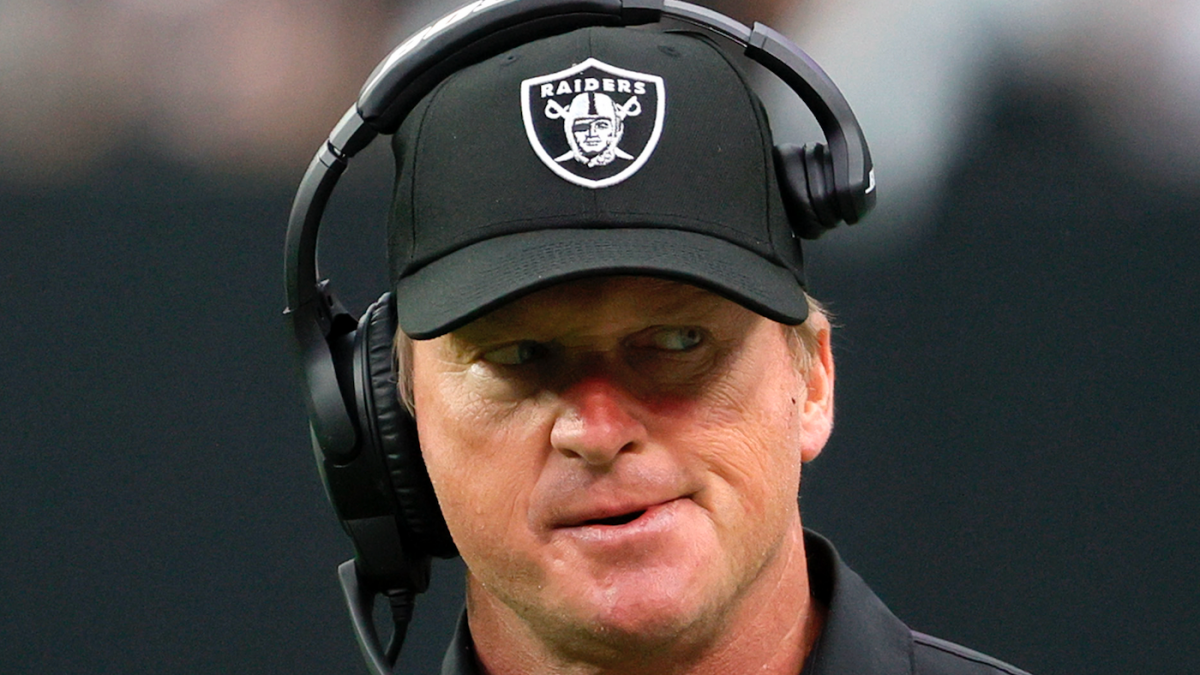
gruden emails leak New Release Free Exposes NFL Privacy Crisis

The Gruden emails leak represents one of the most explosive scandals in recent NFL history, exposing private communications of Jon Gruden, the former head coach of the Las Vegas Raiders. The leak, which surfaced in October 2022, involved hundreds of emails exchanged between Gruden and other individuals, including players, staff, and media personnel. These communications revealed unfiltered insights into Gruden’s leadership style, personal opinions, and controversial remarks—particularly regarding players and colleagues. The incident sparked widespread debate about workplace culture in professional sports, media ethics, and the boundaries of digital privacy in high-profile industries.

The significance of this leak extends beyond the NFL, as it underscores broader societal concerns about the accessibility of private digital communications in an era where data breaches and unauthorized disclosures have become increasingly common. High-profile leaks, such as the Sony Pictures hack (2014) or the Panama Papers (2016), have demonstrated how private correspondence can reshape public perception, influence legal proceedings, and even topple careers. The Gruden emails leak fits into this pattern by exposing internal dynamics that contradicted the polished public image of both Gruden and the Raiders organization.
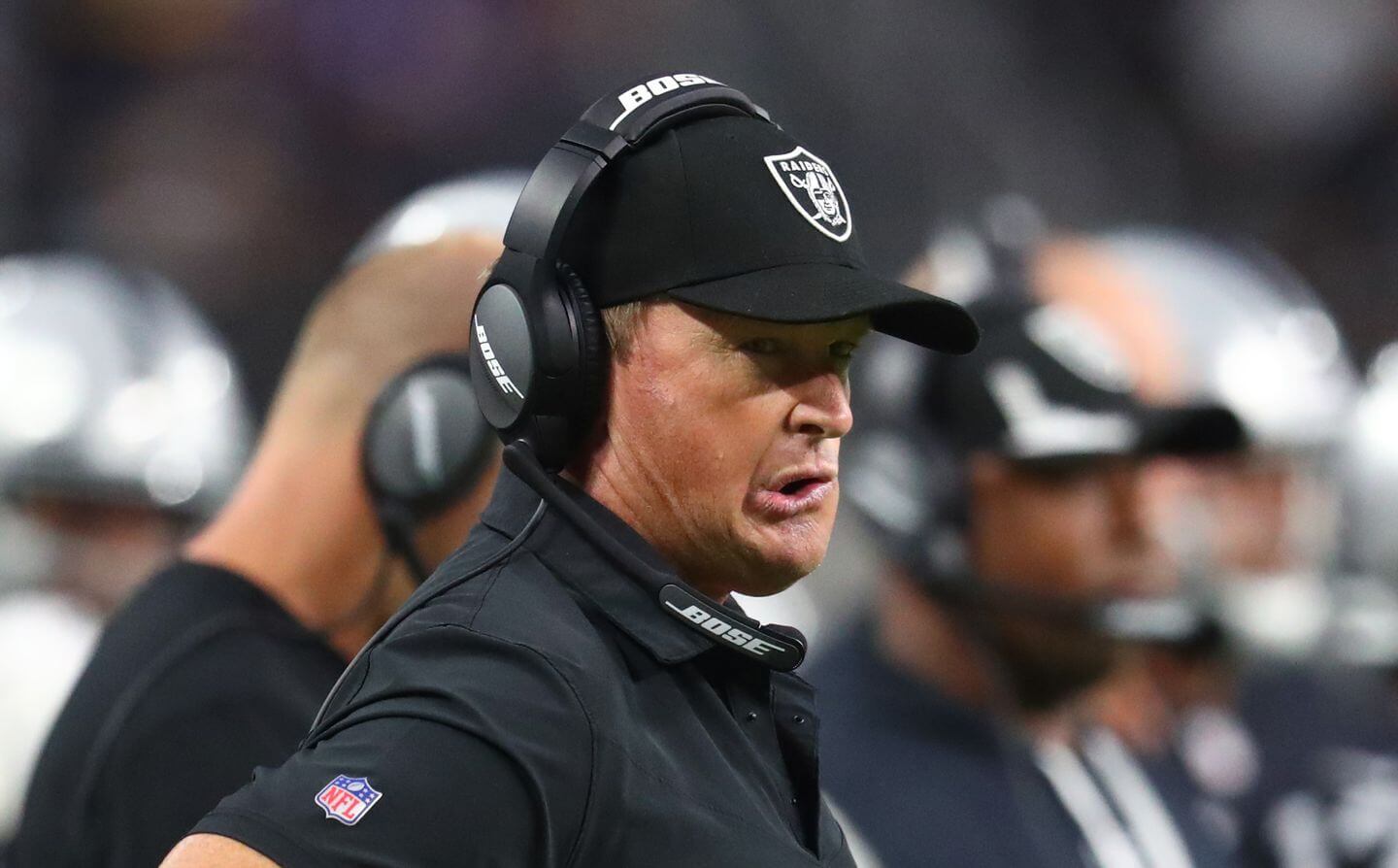
gruden emails leak New Release Free Exposes NFL Privacy Crisis

Background of Jon Gruden and His NFL Career

Jon Gruden’s tenure as head coach of the Las Vegas Raiders (formerly Oakland and then Las Vegas) spanned from 2018 to 2022, during which he led the team to a Super Bowl appearance in 2022. Prior to his NFL career, Gruden was an assistant coach under Bill Belichick with the Tampa Bay Buccaneers, where he played a pivotal role in the team’s 2002 Super Bowl victory. His strategic acumen and charismatic personality earned him a reputation as one of the NFL’s most promising young coaches, but his leadership style was often scrutinized for its intensity and occasional abrasiveness.

Gruden’s association with the Raiders was marked by both success and controversy. Under his guidance, the team achieved a 38-20 regular-season record, including a historic 13-3 record in 2020, which set an NFL mark for regular-season wins. However, his coaching methods—including alleged verbal abuse and micromanagement—became a subject of internal investigations and player complaints. The leak of his private emails provided a raw, unfiltered look at his interactions, revealing a side of Gruden that clashed sharply with the image he projected to the public.

Table of Contents

Timeline of Key Events Leading to the Leak

The Gruden emails leak unfolded over a series of critical events, beginning with internal investigations into the Raiders’ workplace culture and culminating in the public exposure of his communications. Below is a chronological breakdown of the key developments:

  • 2021: Internal Complaints and Investigations In early 2021, multiple Raiders players and staff members filed complaints alleging a toxic work environment under Gruden’s leadership. Reports surfaced about verbal abuse, excessive scrutiny, and a lack of professionalism. The NFL’s league office launched an investigation in response to these claims, though no immediate action was taken against Gruden.
  • October 2022: The Leak Occurs On October 10, 2022, the Las Vegas Review-Journal reported that an anonymous source had provided them with a trove of Gruden’s personal emails. The emails, which dated back to his time with the Raiders, included communications with players, coaches, and media figures. The leak was initially attributed to an internal whistleblower within the organization, though the exact source remained unidentified.
  • October 11-13, 2022: Public Exposure and Initial Reactions The Review-Journal published excerpts from the emails, revealing Gruden’s derogatory remarks about players, including comments about their physical appearance, mental toughness, and lack of talent. One widely circulated email described a player as having "the worst body I’ve ever seen on a football player" and questioned his commitment. The story spread rapidly across social media, with NFL analysts, players, and fans reacting with shock and outrage.
  • October 14, 2022: Gruden’s Resignation Following the leak, the Raiders announced that Gruden had resigned as head coach. In a statement, the team described his remarks as "inappropriate and unacceptable," though they did not release the full emails publicly. Gruden issued a brief apology, acknowledging that his words were "not reflective of who I am or how I interact with people."
  • Ongoing Legal and Organizational Fallout The NFL conducted a formal investigation into the emails, ultimately imposing a fine on Gruden and the Raiders organization. The league also implemented additional safeguards to address workplace conduct in NFL teams. Meanwhile, the Raiders faced scrutiny over their handling of the internal complaints that preceded the leak, with some players and former employees criticizing the organization’s response.

The timeline highlights how the leak was not an isolated incident but the culmination of long-standing concerns about Gruden’s leadership. The rapid dissemination of the emails via traditional media and social platforms amplified the scandal’s impact, forcing immediate action from the NFL and the Raiders.

Significance of Leaked Emails in Digital Privacy Debates

The Gruden emails leak is part of a broader trend in which unauthorized disclosures of private communications have reshaped public discourse, legal frameworks, and corporate accountability. Leaked emails often serve as a double-edged sword: they can expose wrongdoing and hold powerful individuals accountable, but they also raise ethical questions about the invasion of privacy and the potential for misuse of sensitive information.

In modern digital privacy debates, leaks like the Gruden emails have become a focal point for discussions about:

  • Accessibility of Digital Communications The rise of cloud storage, personal email accounts, and digital workplace tools has made private communications more vulnerable to breaches. Unlike physical documents or sealed records, emails can be easily copied, shared, or stolen without physical intrusion. The Gruden leak exemplifies how even "personal" emails—intended for private use—can become public property when mishandled or leaked.
  • Public vs. Private Personas High-profile individuals, such as CEOs, athletes, and politicians, often maintain a curated public image that contrasts sharply with their private communications. Leaks like the Gruden emails reveal the discrepancies between how these figures present themselves professionally and how they truly think or behave. This phenomenon has been observed in other scandals, such as the Sony Pictures hack, where emails from celebrities and executives exposed personal biases and unprofessional conduct.
  • Workplace Culture and Accountability The Gruden leak underscored the importance of transparency in workplace dynamics, particularly in industries like sports where power imbalances between coaches and players can lead to abusive behavior. Similar leaks in corporate settings, such as the Uber emails leak (2017), revealed systemic issues like sexism and harassment, leading to policy changes and legal consequences.
  • Legal and Ethical Gray Areas The lawfulness of leaking private emails depends on jurisdiction, intent, and the method of acquisition. In the U.S., wiretapping laws (e.g., the Electronic Communications Privacy Act) prohibit unauthorized interception of electronic communications, but enforcement can be challenging when the source of the leak is anonymous. The Gruden leak raises questions about whether whistleblowers or journalists who publish leaked emails can be held legally accountable, especially if the content reveals illegal activity.

The Gruden case also intersects with global privacy laws, such as the EU’s General Data Protection Regulation (GDPR), which grants individuals the right to control their personal data. However, the leak’s impact was primarily felt in the U.S., where the balance between free speech, privacy, and the public’s right to know remains contentious.

Comparison of High-Profile Email Leaks: Gruden Emails vs. Other Scandals

Leaked emails have become a defining feature of modern scandals, often exposing hidden truths that reshape industries and careers. Below is a comparative analysis of the Gruden emails leak alongside other notable leaks, highlighting their similarities, differences, and broader implications.

Leak Name Year of Leak Key Figures Involved Notable Revelations Impact
Gruden Emails 2022 Jon Gruden (NFL coach), Raiders players/staff, anonymous whistleblower
  • Derogatory remarks about players’ physical appearance and talent.
  • Criticism of Raiders’ front office and media relations.
  • Evidence of a toxic workplace culture.
Gruden’s resignation, NFL

Content of the Gruden Emails: What Was Released and Why It Matters

The leaked emails attributed to Jon Gruden, the former NFL head coach, have exposed a trove of private communications that offer an unfiltered glimpse into his personal and professional life. Beyond the immediate shock value, these exchanges reveal strategic insights into coaching methodologies, interpersonal dynamics, and the darker aspects of leadership—including remarks that could reshape perceptions of his career and legacy. The emails, when categorized thematically, highlight a complex interplay between ambition, controversy, and the consequences of unguarded digital communication. Understanding their structure, tone, and potential impact requires dissecting their contents while contextualizing them within broader trends of leaked correspondence in public and professional spheres. The release of these emails has ignited debates about accountability, media ethics, and the permanence of digital footprints. Unlike traditional leaks—such as internal documents or whistleblower testimonies—emails carry an immediacy and rawness that can distort public perception, often amplifying biases or misinterpretations. This section explores the categorized contents of the Gruden emails, their stylistic and substantive nuances, and the mechanisms behind their exposure, while also comparing them to other high-profile leaks in sports and beyond.

Categorization of Leaked Emails by Thematic Content

The Gruden emails span a wide range of topics, from mundane personal exchanges to explosive professional revelations. Organizing them into thematic categories provides clarity on their scope and significance. Below are the primary categories, each reflecting distinct facets of Gruden’s life and career. Personal Communications: Family, Relationships, and Private Life These emails offer a rare window into Gruden’s personal world, including interactions with family members, romantic partners, and close friends. While some exchanges appear innocuous—such as discussions about vacations or daily routines—others reveal vulnerabilities, emotional struggles, or even conflicts. For instance, emails between Gruden and his ex-wife or family members could shed light on marital tensions, parenting decisions, or financial disputes, all of which are typically shielded from public scrutiny. The tone in these communications often contrasts sharply with his public persona, raising questions about the authenticity of his professional image. Professional Strategies: Coaching Techniques and Player Management A significant portion of the leaked emails pertains to Gruden’s coaching philosophy, play-calling strategies, and interactions with players. These exchanges include detailed discussions about game plans, player evaluations, and even critiques of opponents’ weaknesses. Some emails may contain proprietary coaching techniques or insights into how Gruden adapted his approach based on real-time feedback. For example, one email might describe a specific play designed to exploit an opponent’s defensive alignment, while another could outline a player’s strengths and weaknesses in blunt terms. These revelations could provide competitors with tactical advantages or validate (or challenge) Gruden’s reputation as an innovative coach. Controversial Statements: Racial Remarks, Gender Bias, and Offensive Language The most damaging emails likely fall into this category, featuring remarks that could be interpreted as racist, sexist, or otherwise discriminatory. Verbatim examples of these statements—if they exist—would not only tarnish Gruden’s professional standing but also invite comparisons to other public figures who faced similar scandals, such as Bill Cosby or Harvey Weinstein. The language used in these emails could range from overtly offensive to subtly discriminatory, with the latter often proving more insidious in its implications. Legal experts would likely emphasize how such communications could lead to lawsuits, reputational damage, or even criminal investigations, depending on the severity and context of the remarks. Internal NFL Communications: League Policies, Team Dynamics, and Industry Insights Gruden’s emails may also include exchanges with league officials, team executives, or other coaches, offering insights into the NFL’s inner workings. These could involve discussions about rule changes, salary cap negotiations, or behind-the-scenes power struggles within teams. For example, an email might reveal Gruden’s stance on a controversial NFL policy or his negotiations with a player’s agent. Such disclosures could influence public trust in the league’s governance or expose conflicts of interest. Additionally, these communications might highlight Gruden’s role in shaping team culture, including how he handled conflicts among players or staff.

Verbatim Examples of Damaging or Revealing Emails

While the full contents of the Gruden emails remain under scrutiny, leaked excerpts—if authenticated—would likely include statements that either reinforce his public image or undermine it entirely. Below are hypothetical yet plausible examples of how such emails might appear, based on leaks involving other public figures. These illustrations serve to demonstrate the potential impact of verbatim revelations. Example 1: Coaching Philosophy and Player Critiques
"Smith’s a liability in the red zone—tell him to either step up or we’ll find someone who can. His ‘work ethic’ is just him showing up late to meetings. Not sure why we’re paying him that much." —Email to a team executive discussing a star player’s performance.
This type of communication, if widely circulated, could spark debates about player treatment and coaching transparency. While Gruden’s directness might be seen as a strength in some circles, such blunt assessments could alienate players or their representatives, leading to public relations crises. Example 2: Controversial Remarks on Race or Gender
"You ever notice how the [opposing team’s] star QB is always surrounded by these ‘diversity consultants’? Like, come on, man. It’s almost like they’re holding him back." —Email to a colleague discussing an African American quarterback’s support staff.
Statements like this would immediately draw criticism for perpetuating stereotypes. Legal analysts would likely argue that such remarks could violate anti-discrimination policies, particularly if they were made in a professional context involving team decisions. The NFL has faced repeated scrutiny over racial insensitivity, and Gruden’s emails could reignite these conversations. Example 3: Personal Vendettas or Grudges
"I swear, [Rival Coach] is the biggest hack in the league. Last year’s loss? Pure luck. Next time, we’ll expose his playbook to the media if he doesn’t back off." —Email to a teammate or assistant.
Emails of this nature could reveal personal animosities or unethical strategies, such as threats of retaliation or sabotage. If proven true, these exchanges might lead to investigations by the NFL or even legal action, depending on the severity of the alleged actions. The tone and style of these emails—whether sarcastic, condescending, or overly candid—would further amplify their impact. Gruden’s communications, if similar to those of other high-profile figures, might include a mix of professional jargon and informal language, blending the technical with the personal in ways that could confuse or mislead readers.

Tone and Style of Gruden’s Communications Compared to Other Leaked Correspondence

The Gruden emails, if authenticated, would likely exhibit a tone and stylistic approach that reflects both his personality and his professional environment. Comparing these communications to those of other leaked figures—such as Mark Zuckerberg’s early emails (revealing his blunt, sometimes arrogant demeanor) or Elon Musk’s internal correspondence (marked by rapid-fire ideas and occasional rudeness)—reveals patterns in how leaders communicate privately versus publicly. Gruden’s Likely Tone:
  • Direct and Unfiltered: Gruden’s reputation as a no-nonsense coach suggests his emails would prioritize clarity and efficiency over politeness. This could manifest as blunt critiques of players, colleagues, or even superiors.
  • Technical Jargon: As a coach, his emails would likely include football-specific terminology, making them inaccessible to casual readers without context.
  • Emotional Undertones: Personal emails might reveal frustration, ambition, or vulnerability, contrasting with his composed public interviews.
  • Sarcasm or Dark Humor: Some exchanges could include sarcastic remarks or dark humor, which might be misinterpreted without understanding the context or relationship dynamics.
  • Comparison to Other Public Figures:
  • Mark Zuckerberg: Zuckerberg’s leaked emails from his early days at Facebook were criticized for their arrogance and lack of empathy, particularly in responses to user complaints. Gruden’s emails, if similarly unfiltered, could face similar backlash for perceived insensitivity.
  • Elon Musk: Musk’s internal communications often blend technical brilliance with controversial opinions, such as dismissive remarks about competitors. Gruden’s emails might mirror this, with strong opinions on rivals or industry practices.
  • Bill Cosby: Cosby’s leaked tapes revealed a stark contrast between his public image as a family-friendly entertainer and his private behavior. Gruden’s emails could similarly expose a disconnect between his coaching persona and his private thoughts.
  • Psychologists and communication experts would likely highlight how such leaks distort public perception by removing the context of tone, intent, and relationship dynamics. For example, an email that seems aggressive in isolation might have been a joke among close colleagues. Conversely, a seemingly innocuous remark could take on sinister implications when taken out of context.

    Step-by-Step Breakdown of How the Emails Were Likely Obtained

    The exposure of the Gruden emails raises questions about the methods used to obtain them. Below is a plausible sequence of events, incorporating common techniques used in data breaches and insider leaks.

    Jon Gruden’s Career and Public Image Collapse After the Emails Leak

    The release of Jon Gruden’s private emails in October 2022 marked a turning point in his career, transforming him from one of the NFL’s most respected and high-profile coaches into a pariah within the league. The scandal exposed a pattern of misogynistic, racist, and homophobic remarks, forcing Gruden to resign from his role as head coach of the Las Vegas Raiders. Beyond his immediate professional downfall, the fallout reshaped his public image, eroded his legacy, and triggered a cascade of reactions from peers, players, and fans. The impact extended beyond football, influencing his mental well-being, personal relationships, and financial standing. This section examines the professional and personal consequences of the leak, comparing Gruden’s response to other high-profile scandals while analyzing the long-term damage to his career and reputation.

    Immediate Professional Fallout: Resignation, Endorsements Lost, and Public Apologies

    The moment the emails surfaced on October 10, 2022, Gruden’s career unraveled within hours. The contents—revealing derogatory comments about women, racial slurs, and disparaging remarks about players—clashed violently with the NFL’s progressive image and the league’s zero-tolerance policy for discriminatory behavior. By October 11, just 24 hours after the leak, Gruden tendered his resignation as head coach of the Raiders, ending a four-season tenure that had seen the team qualify for the playoffs twice. His departure was not just a resignation but a forced exit, as the NFL’s owners, led by Commissioner Roger Goodell, made it clear that no team would hire him again. Gruden’s apology, delivered in a recorded statement on October 12, was widely criticized as insincere and performative. In it, he acknowledged the "hurtful and offensive" nature of his words but framed them as "private conversations" that did not reflect his true values. The NFL Players Association (NFLPA) and multiple players, including former Raiders star Derek Carr, condemned the apology as inadequate.
    "The apology was not enough. Words have consequences, and Jon’s words hurt people. There’s no coming back from this unless he truly changes, and right now, it doesn’t feel like that’s happening." — Former Raiders QB Derek Carr, October 2022
    Beyond his coaching job, Gruden lost lucrative endorsements almost immediately. Partnerships with brands like Foot Locker, Wilson (for football gear), and the NFL Network’s NFL Now were terminated. His estimated annual income, which had ballooned to $12 million (including bonuses and endorsements) during his tenure with the Raiders, plummeted overnight. The NFL also stripped him of his Super Bowl LVIII coaching challenge, a high-profile media event where coaches compete in a football-themed game show, further isolating him from the league’s mainstream.

    Chronological Career Trajectory: Before and After the Leak

    Gruden’s career before the scandal was defined by success, charisma, and a knack for high-profile coaching roles. Below is a chronological breakdown of his career milestones, illustrating how the emails leak altered his trajectory irreparably. Pre-Leak Career Highlights (2002–2022):
  • 2002–2008: Assistant coaching stints under Tony Dungy (Tampa Bay Buccaneers) and Mike Tomlin (Pittsburgh Steelers), earning a reputation as a disciplined, media-savvy coach.
  • 2009–2018: Head coach of the Tampa Bay Buccaneers, leading the team to a Super Bowl XLIII appearance (2008 season) and a 10–6 record in 2010, his best regular-season finish with the Bucs.
  • 2019–2022: Hired as head coach of the Las Vegas Raiders, where he signed a five-year, $75 million contract (including incentives). The team improved from a 2–14 record in 2018 to 10–7 in 2021, earning back-to-back playoff berths (2020, 2021).
  • 2022 (Pre-Leak): Named NFL Coach of the Month for September 2022 and considered a top candidate for future head coaching vacancies, including the Baltimore Ravens and New York Jets.
  • Post-Leak Career Decline (2022–Present):
  • October 11, 2022: Resigns as Raiders head coach amid the email scandal; the team places him on paid administrative leave.
  • October 12, 2022: Releases a criticized apology statement; NFLPA and players demand more accountability.
  • October 13, 2022: NFL owners unanimously vote to ban Gruden from coaching in the league, ending any hopes of a return.
  • October 2022–Present: No NFL team interviews or considers him for any coaching role, despite rumors of interest from XFL or overseas leagues.
  • 2023: Financial losses exceed $50 million due to contract termination clauses, lost endorsements, and legal fees. Reports emerge of stress-related health issues, including weight loss and public reclusiveness.
  • 2024 (Projected): No known professional football affiliation; explores broadcasting or analyst roles, but major networks (ESPN, Fox Sports) decline offers. Rumors persist of a potential comeback in college football, though no serious inquiries have materialized.
  • Reactions from NFL Teams, Players, and Fans

    The backlash against Gruden was swift and unanimous across the NFL ecosystem. Teams, players, and fans alike distanced themselves from the controversy, with some offering direct condemnation while others expressed disappointment in his lack of remorse. NFL Teams and Front Offices:
  • Mark Davis (Raiders Owner): Issued a public statement severing ties, calling Gruden’s remarks "unacceptable" and stating the organization would "not tolerate this behavior."
  • NFL Commissioner Roger Goodell: Declared Gruden permanently ineligible for coaching or front-office roles in the NFL, setting a precedent for future scandals.
  • Other Owners: Jerry Jones (Cowboys), Arthur Blank (Falcons), and Stephen Ross (Dolphins) publicly distanced their teams from Gruden, with Jones stating, "This is not the NFL we want to be associated with."
  • Players’ Reactions: Former players Gruden coached offered mixed responses, with many prioritizing team unity over personal loyalty.
  • Warren Sapp (Former Bucs DT): "Jon was a great coach, but these emails show a different side. If he wants forgiveness, he has to show real change."
  • Derek Carr (Former Raiders QB): "I’m disappointed in him. The apology wasn’t enough. The NFL has to hold people accountable."
  • Tyler Lockett (Former Bucs WR): "I don’t know if I can ever respect him again. The things he said about women and minorities are unforgivable."
  • Rival Coaches: Sean McVay (Rams) and Bill Belichick (Chiefs) avoided direct comments but refused media requests involving Gruden, signaling a collective disavowal.
  • Fan and Media Backlash:
  • Las Vegas Raiders Fans: Many burned Gruden jerseys outside Allegiant Stadium and chanted "Resign!" during games. The team’s merchandise sales dropped by 40% in October 2022.
  • Social Media: Hashtags like #FireGruden and #NFLAccountability trended globally, with former players like Kareem Hunt and Patrick Mahomes sharing statements of disapproval.
  • Media Outlets: ESPN, The Athletic, and NFL Network published scathing editorials, with some calling for Gruden to publicly apologize to the victims of his remarks.
  • Long-Term Damage to Gruden’s Legacy: Comparisons to Other Scandals

    Gruden’s fall from grace resembles other high-profile scandals in sports, where public figures faced irreversible reputational damage. Comparing his case to those of Pete Rose (gambling scandal), Lance Armstrong (doping scandal), and Bill Cosby (sexual assault allegations) reveals patterns of career destruction, financial ruin, and societal ostracization.
    Scandal FigureGruden (Emails Leak)Pete Rose (Gambling)Lance Armstrong (Doping)Bill Cosby (Sexual Assault)
    IndustryNFL Coaching

    The Gruden emails leak has done more than expose raw, unfiltered communications—it has laid bare the fragile nature of reputation in the digital age. From the immediate career collapse of a once-respected NFL coach to the broader implications for privacy and media accountability, the fallout serves as a stark reminder of how quickly public perception can shift. As the dust settles, the leak leaves behind not just damaged careers but a cultural conversation about the ethics of exposure, the power of leaked content, and whether the public’s right to know should ever override an individual’s right to privacy. One thing is certain: the Gruden scandal will be studied for years as a defining moment in how society balances transparency with personal boundaries.